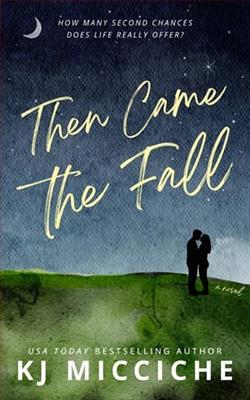
K.J. Micciche's novel, Then Came the Fall, is a poignant exploration of love, loss, and the unpredictable turns life can take. Set against the backdrop of both past and present, the story intricately weaves together the lives of Taylor Roberts and Matt Thompson, two characters whose shared history is as complex as it is compelling. The novel's alternating timelines provide a rich tapestry of their journey, from the innocence of childhood friendship to the complexities of adult relationships, making it a captivating read for fans of contemporary romance and drama.
The major theme of Then Came the Fall is the enduring nature of first love and the ways in which it shapes us. Micciche deftly explores how Taylor and Matt's early connection at summer camp blossoms into a deep, transformative love. This theme resonates throughout the novel, as their relationship is tested by time, tragedy, and the harsh realities of adulthood. The author skillfully portrays how love can be both a source of immense joy and profound pain, a duality that many readers will find relatable.
Character development is one of the novel's strongest aspects. Taylor Roberts is portrayed as a resilient yet vulnerable protagonist, grappling with the scars of past heartbreak while trying to navigate the present. Her decision to return to Matt's life after years of silence is both courageous and fraught with emotional complexity. Matt Thompson, on the other hand, is depicted as a man whose life has been irrevocably altered by a stroke at a young age. His struggle to rebuild his life and care for his daughter adds a layer of depth to his character, making him a sympathetic figure who embodies both strength and fragility.
Micciche's writing style is both evocative and accessible, drawing readers into the emotional core of the story. Her use of alternating timelines is particularly effective, allowing readers to experience the full scope of Taylor and Matt's relationship. This narrative technique not only enhances the emotional impact of the story but also provides a comprehensive understanding of the characters' motivations and the events that have shaped their lives. The author's ability to seamlessly transition between past and present is reminiscent of works by authors such as Jojo Moyes and Nicholas Sparks, who similarly excel in crafting emotionally resonant narratives.
The emotional impact of Then Came the Fall is profound, as Micciche does not shy away from exploring the raw, often painful realities of life. The novel's depiction of Matt's stroke and its aftermath is handled with sensitivity and realism, offering insight into the challenges faced by those affected by sudden illness. Taylor's journey of self-discovery and healing is equally moving, as she confronts her past and learns to embrace the possibility of a future with Matt. The novel's exploration of themes such as forgiveness, redemption, and the resilience of the human spirit will resonate with readers long after they turn the final page.
In comparison to other works in the contemporary romance genre, Then Came the Fall stands out for its nuanced portrayal of complex emotions and its focus on character-driven storytelling. While it shares thematic similarities with novels like The Notebook by Nicholas Sparks, it distinguishes itself through its exploration of the impact of illness and the intricacies of rekindled love. Micciche's ability to create authentic, relatable characters and her skillful handling of difficult subject matter make this novel a standout addition to the genre.
Overall, Then Came the Fall by K.J. Micciche is a beautifully crafted novel that offers a heartfelt exploration of love, loss, and the power of second chances. Its compelling characters, evocative writing, and emotional depth make it a must-read for fans of contemporary romance and drama. Whether you're drawn to stories of enduring love or tales of personal growth and resilience, this novel is sure to leave a lasting impression.



