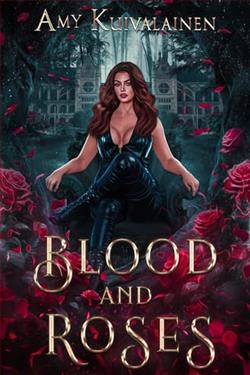
Blood and Roses, authored by Amy Kuivalainen, is a mesmerizing blend of fantasy and crime that hooks readers from the first page. The novel is a commendable piece of literature that intertwines mythology, magic, and meticulous detective work, showcasing Kuivalainen’s adeptness in weaving a complex and enchanting narrative. This review delves into the narrative, characters, and thematic elements of Blood and Roses, offering insights into the compelling world created by Kuivalainen.
The story is set in a world where magical beings and human lives are entangled under the shadow of dark and foreboding secrets. The protagonist, Sofia, is a detective with a sharp mind and a mysterious past, making her both venerable and intriguing. Sofia's world is upended when she is drawn into a series of brutal murders that hint at ancient magical rituals. Kuivalainen skillfully uses Sofia’s investigation to guide us through a labyrinth of suspense and intrigue, blending the detective’s logical rigor with a fantastical lore that is rich and expansive.
One of the standout features of Blood and Roses is its robust character development. Sofia, as the central character, is layered with depths of vulnerability and strength. Her resilience and intelligence make her a relatable and inspiring figure. The supporting characters are also well-crafted, each adding a unique flavor to the story’s tapestry. From Sofia's enigmatic mentor to her loyal yet challenging partner, the relationships among the characters are painted with shades of loyalty, betrayal, and underlying affection.
Kuivalainen’s writing style deserves special mention. Her prose is textured and evocative, capable of transporting readers directly into the heart of the novel’s setting. The dialogue is sharp and often laced with humor, bringing lightness to a narrative that grapples with dark themes. The descriptive passages are particularly vivid, painting scenes that shimmer with life, from the eerie glow of a spell to the gritty reality of a crime scene.
The thematic depth of Blood and Roses is another compelling aspect. The novel explores themes of identity and legacy, questioning how much of our past shapes our future. Through Sofia’s eyes, readers confront the impact of personal history on self-identity and the arduous journey of embracing one's own power amidst adversity. Moreover, the book poses significant questions about the nature of good and evil, weaving a philosophical thread through its fantastical narrative.
The integration of mythological elements with the detective genre is seamlessly executed, creating a reading experience that is both familiar and fresh. The myths are not just decorative but form the backbone of the plot’s conflict and resolution. This synthesis not only enriches the story's world but also deepens the reader's engagement with the text. Each mythological reference is a piece of the puzzle in Sofia’s investigation, and discerning their meaning is as intriguing for the reader as it is for Sofia.
However, no book is without its flaws. At times, the pacing of Blood and Roses suffers due to its ambitious plot. The middle sections of the book, dense with both action and exposition, might overwhelm some readers. Nonetheless, these moments are mostly smoothed over by the compelling narrative and the urgent desire to unravel the mystery at the heart of the book.
In conclusion, Blood and Roses by Amy Kuivalainen is a thrilling ride that blends elements of fantasy and crime to create a novel that is both innovative and captivating. With its strong protagonist, richly crafted world, and philosophical underpinnings, the book offers much to readers who are looking for depth beyond mere entertainment. Kuivalainen’s ability to balance complex storytelling with emotional depth makes Blood and Roses a memorable addition to the genres it straddles. For fans of fantasy, mystery, and powerful narratives, Blood and Roses is a must-read that promises and delivers a journey replete with danger, magic, and intrigue.



