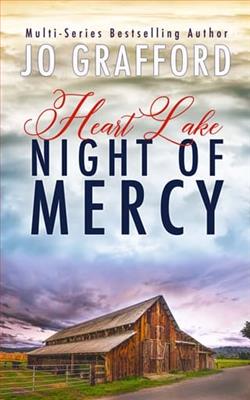
Jo Grafford's "Night of Mercy," a historical novel set against the turbulent backdrop of the early 20th century, offers readers a compelling blend of history, romance, and suspense. Merging real-life events with fictional narratives, Grafford constructs a vivid portrayal of a time when society was on the brink of significant changes. This review delves into the strengths and weaknesses of the novel, examining its characters, plot, and historical authenticity.
The novel introduces us to Eleanor Deveraux, a spirited nurse whose compassion and tenacity shine from the outset. Eleanor's character is smartly drawn; her personal growth throughout the story mirrors the socio-political upheavals of her time. Through her eyes, readers engage with the broader world, including the changing roles of women and the impact of technological and medical advances. Grafford's portrayal of Eleanor is nuanced; she is neither flawless nor impervious to the era's challenges. Instead, she navigates her world with a blend of idealism and practicality that makes her all the more believable and relatable.
The romantic subplot between Eleanor and Thomas Caldwell, a forward-thinking doctor, adds an engaging personal element to the narrative. Their relationship, tentatively budding amidst the chaos of war and disease, provides a poignant contrast to the external hardships they face. The dynamics of their relationship—marked by mutual respect and burgeoning love—are well-crafted without overshadowing the novel’s broader themes. This romance serves not only as a narrative respite but also reflects the transformative personal relationships that were often forged in the crucible of historical upheavals.
Grafford excels in the atmospheric settings of her novel. From the muddy, bloodied battlefields to the bustling wards of wartime hospitals, the descriptions are richly detailed and evocative. Such immersive detailing not only enhances the visual imagery but also elevates the emotional intensity of the narrative. The inclusion of secondary characters—other nurses, soldiers, and volunteers—adds depth and broadens the perspective of the war beyond the main characters' experiences.
However, while "Night of Mercy" thrives on its character development and atmospheric settings, the plot sometimes struggles with pacing. Certain segments of the story, particularly in the middle, feel slightly dragged, with prolonged stretches focusing more on day-to-day activities and less on forward-moving plot. While these sections undoubtedly contribute to the realism of the historical setting, they occasionally hinder the narrative drive, which might disengage some readers eager for continuous action or conflict.
In terms of historical accuracy, Grafford has evidently conducted extensive research. The novel skillfully incorporates the medical practices of the time, societal norms, and the geopolitical landscapes that shaped the characters' lives. Furthermore, by seamlessly weaving actual events—such as specific battles, medical advancements, and historical figures—into the storyline, Grafford provides a grounded sense of authenticity that enthusiasts of historical fiction will likely appreciate. Nevertheless, it is worth noting that the meticulous attention to historical detail occasionally overwhelms the narrative flow, sometimes leading to expository passages that might have been better integrated through action or dialogue.
"Night of Mercy" ultimately serves as a poignant reminder of the resilience of the human spirit during times of great adversity. Grafford's narrative is a powerful amalgam of history and storytelling that challenges and captivates. In dissecting themes of mercy, courage, and love, the novel deepens its inquiry into the human condition, asking what it means to maintain humanity in the face of overwhelming odds.
Overall, Jo Grafford’s "Night of Mercy" is a commendable piece of historical fiction. Its strengths lie in its rich character development, authentic settings, and the evocative romance that binds the tumultuous experiences of its characters. Despite some pacing issues and the occasional heavy-handed detailing, the novel is an engrossing read, particularly for those who are enthralled by the fusion of historical contexts with personal stories of love, growth, and resilience. It is a testament to the genre and a profound exploration of an era that continues to fascinate and inspire.



