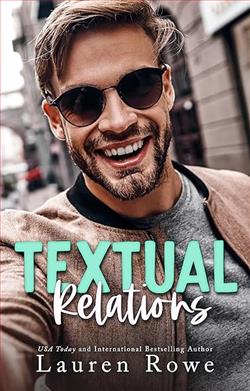
Textual Relations by Lauren Rowe is a contemporary romance novel that dances brilliantly between witty banter and heartfelt moments, leaving readers thoroughly entertained and touched by its storyline. This book serves as a delightful reminder of how unpredictable and serendipitous the journey to finding love can be, especially in the age of digital communication.
The novel revolves around the protagonist, Hannah Slade, who on her twenty-ninth birthday decides to venture into the world of online dating. However, an accidental text sent to the wrong number initiates an unexpected connection with a mystery man named 'C'. What starts as a humorous mix-up blossoms into a daily exchange of texts, each message bringing them closer despite not knowing each other's real names or appearances. This intriguing setup captures the essence of modern relationships where sometimes, emotional connections precede physical or even visual contact, emphasizing the power and impact of words.
The chemistry between Hannah and 'C', which is predominantly explored through their textual interactions, serves as the core strength of the book. Lauren Rowe has artfully captured the essence of their dynamic, creating a believable and addictive rapport that leaps off the pages. Each text exchanged not only pushes the narrative forward but also deepens the character development, allowing readers to invest in the relationship's authenticity and root for its success. The anticipation built around the reveal of 'C’s' identity adds a delicious layer of excitement and suspense that keeps the pages turning.
Moreover, Rowe has skillfully used a light-hearted and engaging writing style that fits perfectly with the theme of the book. The language is accessible, peppered with humor and enough palpable tension that balances the deeper emotional undertones. Readers will find themselves laughing one minute and caught in thoughtful contemplation the next. The pacing of the story is brisk yet comfortable, with no part of the narrative seeming rushed or excessively drawn out. This pacing is crucial in romance novels that rely heavily on building relationships through dialogue and written interactions rather than action or varied settings.
Character development in Textual Relations is another vibrant facet. Hannah is portrayed as a relatable and lovable character whose journey from skepticism to love captures a broad spectrum of emotions that readers can empathize with. Her evolution is painted realistically; she retains her essence throughout the story, yet her experiences shape her beliefs and responses in subtle yet significant ways. 'C', while shrouded in mystery for a substantial portion of the book, is developed through his texts, which cleverly reveal his personality layers without physical presence. This form of character unveiling is unique and speaks volumes of Rowe’s ingenuity in character crafting.
However, while the novel is engaging and fresh, it is not without minor flaws. Some readers might find the eventual physical meeting of Hannah and 'C' slightly underwhelming given the buildup. The resolution feels somewhat predictable, and perhaps, a twist or an additional conflict prior to the climax could have provided a more compelling payoff. Nevertheless, these are small critiques in what is largely a well-executed romantic tale.
Another aspect worth noting is the novel's thematic undertones of risk and vulnerability in love. Through Hannah and 'C's journey, Rowe subtly addresses how fear of rejection and past relationship scars can shape, and often limit, our pursuit of happiness. This deeper message resonates with a wide audience, making the story not just entertaining but also reflective.
The deliberate absence of more detailed physical settings might initially seem like a drawback, but it cleverly highlights how relationships can develop deeply through communication alone. This focus shifts away from where the events take place to what is communicated, which is central to the book’s premise.
In conclusion, Lauren Rowe's Textual Relations is a feel-good romance that triumphs in its simplicity and relatability. The novel expertly captures the nuances of modern love and the power of connection through words. It’s a delightful read that offers both escape and a candid look at the nuances of contemporary romance, making it a must-read for fans of the genre. The insightful portrayal of characters, engaging plot, and the seamless blend of humor and emotion are commendable, ensuring that the reader is entertained from the first page to the last. Despite minor drawbacks, this book stands out as a compelling narrative about discovering love in the least expected places.



