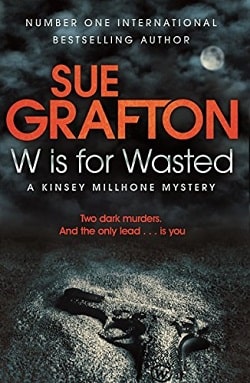
Sue Grafton's W is for Wasted marks the twenty-third installment in the beloved Kinsey Millhone series, and it is a testament to Grafton's ability to weave intricate mysteries while delving deep into the human condition. This novel, like its predecessors, is steeped in the rich atmosphere of Santa Teresa, California, and showcases Grafton's signature blend of wit, grit, and keen observation.
The narrative begins with a gripping premise: two dead bodies, one a local private investigator with a dubious reputation, and the other an unidentified homeless man. The juxtaposition of these two deaths sets the stage for a complex investigation that Kinsey Millhone, our intrepid protagonist, must navigate. Grafton expertly crafts a plot that initially appears straightforward but quickly reveals itself to be a labyrinth of connections, secrets, and betrayals.
One of the most compelling themes in W is for Wasted is the exploration of identity. The homeless man, who becomes a focal point of Kinsey's investigation, embodies the idea of being lost—not just in a physical sense but also in terms of personal history and recognition. The slip of paper with Kinsey's name found on him serves as a catalyst for the unraveling of his identity, prompting Kinsey to confront the fragility of life and the often-overlooked stories of those who live on the fringes of society. Grafton uses this theme to challenge readers to consider how society perceives the homeless and the complexities of their lives.
Kinsey Millhone continues to be a richly developed character, embodying resilience and independence. Grafton has meticulously crafted Kinsey over the years, and in this installment, we see her grappling with her own vulnerabilities. The emotional weight of the two deaths forces Kinsey to confront her past and her relationships, particularly with her late parents. This introspection adds depth to her character, making her more relatable and human. Readers witness Kinsey's growth as she navigates the murky waters of her investigation while also reflecting on her own life choices.
The pacing of the novel is masterful. Grafton balances the tension of the mystery with moments of levity and introspection, ensuring that readers remain engaged throughout. The dialogue is sharp and often laced with humor, a hallmark of Grafton's writing style. Kinsey's interactions with supporting characters, including her friend and confidante, Rosie, provide a sense of warmth and camaraderie that contrasts with the darker themes of the story.
As Kinsey delves deeper into the investigation, Grafton introduces a cast of characters that are both intriguing and multifaceted. Each character adds a layer of complexity to the narrative, and their motivations are often shrouded in ambiguity. This complexity is a hallmark of Grafton's writing, as she skillfully avoids the pitfalls of one-dimensional characters. The relationships Kinsey forms with these individuals are fraught with tension and suspicion, keeping readers guessing about their true intentions.
Another significant theme in W is for Wasted is the concept of trust. As Kinsey uncovers the truth behind the deaths, she must navigate a web of deceit that challenges her instincts. The notion of trust extends beyond her professional life and seeps into her personal relationships, forcing her to reevaluate who she can rely on. This theme resonates deeply in a world where appearances can be deceiving, and Grafton captures this sentiment with precision.
The novel's climax is both satisfying and thought-provoking. Grafton expertly ties together the various threads of the plot, leading to a resolution that feels earned and true to the characters' journeys. The revelations about the two deaths are not only shocking but also serve to highlight the broader societal issues that Grafton subtly weaves into the narrative. The ending leaves readers with lingering questions about morality, justice, and the human experience, ensuring that the story resonates long after the final page is turned.
In comparison to other works in the mystery genre, W is for Wasted stands out for its character-driven narrative and its exploration of deeper themes. While many contemporary mystery novels focus solely on plot twists and suspense, Grafton’s work is a reminder that the best mysteries are those that delve into the complexities of human relationships and societal issues. Authors like Tana French and Louise Penny also explore similar themes, but Grafton’s unique voice and Kinsey’s distinct perspective set this series apart.
Overall, W is for Wasted is a compelling addition to the Kinsey Millhone series that showcases Sue Grafton's mastery of the mystery genre. With its rich character development, intricate plotting, and thought-provoking themes, this novel is sure to captivate both longtime fans and new readers alike. Grafton’s ability to blend humor with serious social commentary makes this book not just a mystery but a reflection on the human condition. As Kinsey Millhone continues to navigate the complexities of her world, readers are left eagerly anticipating what lies ahead in the next installment.



