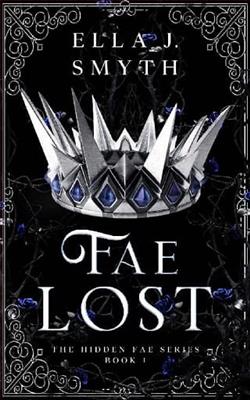
Fae Lost by Ella J. Smyth is a captivating entry into the realm of young adult fantasy, intertwining elements of romance, adventure, and the complexities of self-discovery. The story follows Beth, an ordinary human girl whose life takes a dramatic turn when she discovers her true heritage as the rightful heir to the Fae realm. This premise sets the stage for a richly woven narrative that explores themes of loyalty, love, and the struggle for identity in a world filled with magic and danger.
From the outset, Smyth's writing is engaging and infused with a playful tone that resonates well with the target audience. Beth's voice is relatable; she embodies the confusion and excitement of a young woman thrust into an extraordinary situation. Her humor and self-deprecation add depth to her character, making her journey not just about navigating the Fae world but also about understanding her own desires and fears. The author skillfully balances the whimsical elements of the Fae realm with the harsh realities of Beth's new responsibilities, creating a narrative that feels both enchanting and grounded.
One of the standout features of Fae Lost is its exploration of complex relationships, particularly the love triangle between Beth, Bleddyn, and Daeary. Bleddyn, the loyal Fae knight, represents the archetype of steadfastness and honor. His internal conflict between loyalty to his prince and his growing feelings for Beth adds layers to his character. Smyth does an excellent job of illustrating Bleddyn's struggles, making readers question whether he will choose love over duty. His silver eyes and swordsmanship are not just physical attributes; they symbolize the duality of his character—strength and vulnerability intertwined.
On the other hand, Daeary, the incubus, introduces a darker, more tumultuous element to the love triangle. His character is a fascinating study of the complexities of desire and fear. Daeary's struggle with his nature and the potential harm he could inflict on Beth adds a sense of urgency and tension to the narrative. Smyth's portrayal of Daeary is nuanced; he is not merely a seductive figure but a deeply flawed character grappling with his own demons. The dynamic between him and Beth raises poignant questions about love, consent, and the sacrifices one must make for those they care about. The chemistry between them is palpable, and readers will find themselves torn between the allure of Daeary's fiery passion and Bleddyn's unwavering loyalty.
The world-building in Fae Lost is another highlight. Smyth crafts a vivid and immersive Fae realm that feels both fantastical and perilous. The political intrigue surrounding Beth's claim to the throne adds a layer of complexity to the plot, as she must navigate not only her romantic entanglements but also the treacherous landscape of Fae politics. The presence of a villainous uncle who seeks to undermine her claim introduces stakes that elevate the narrative beyond a simple love story. This aspect of the plot echoes themes found in other fantasy works, such as Sarah J. Maas's A Court of Thorns and Roses, where the protagonist must contend with both personal and political challenges in a richly imagined world.
As Beth grapples with her newfound identity and the responsibilities that come with it, the theme of self-discovery emerges as a central thread throughout the narrative. Her journey is not just about choosing between two love interests but also about understanding her own strength and capabilities. Smyth effectively portrays Beth's growth from a seemingly ordinary girl to a formidable figure in the Fae realm, emphasizing the importance of self-acceptance and empowerment. This theme resonates with readers, particularly young women, who may find inspiration in Beth's journey of self-realization.
The pacing of the story is well-executed, with a balance of action, romance, and introspection. Smyth's ability to weave humor into tense moments provides a refreshing contrast, ensuring that the narrative remains engaging without becoming overly dark or heavy. The dialogue is sharp and witty, further enhancing the character dynamics and making the interactions feel authentic and relatable.
However, while Fae Lost excels in many areas, it does occasionally tread familiar ground within the fantasy genre. The love triangle, while compelling, may feel predictable to some readers who are well-versed in similar tropes. Nonetheless, Smyth's unique voice and the depth of her characters help to elevate the story, making it a worthwhile read for fans of the genre.
In conclusion, Fae Lost is a delightful and engaging fantasy novel that successfully combines romance, adventure, and self-discovery. Ella J. Smyth's vibrant writing and well-developed characters create a world that is both enchanting and relatable. Readers will find themselves invested in Beth's journey as she navigates the complexities of love and loyalty in a realm where danger lurks at every corner. This book is a must-read for anyone who enjoys a good fairy tale with a modern twist, and it will undoubtedly leave readers eager for more adventures in the Fae realm.



