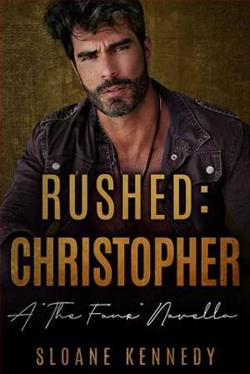
Sloane Kennedy’s Rushed: Christopher is a poignant exploration of trauma, healing, and the complexities of love that transcends the conventional narratives often found in romance novels. The blurb sets the stage for a story that delves deep into the psyche of its characters, particularly Christopher, who has endured a childhood marred by violence and exploitation. This novel is not merely a love story; it is a profound commentary on the scars left by abuse and the journey toward reclaiming one’s identity and sense of safety.
The narrative begins with a stark contrast between the fairy tales of childhood and the harsh realities faced by Christopher. The protagonist reflects on the stories that once provided solace, only to realize that those narratives are far removed from his lived experience. This theme of disillusionment resonates throughout the book, as Kennedy skillfully juxtaposes the idealized notions of love and heroism with the gritty truth of Christopher’s life. The author’s ability to evoke empathy for Christopher’s plight is remarkable, drawing readers into his world of pain and longing.
Character development is a standout feature of Rushed: Christopher. Christopher is portrayed as a complex individual, shaped by his traumatic past. Initially, he appears distant and guarded, a defense mechanism developed from years of suffering. However, as the story unfolds, readers witness the gradual peeling away of his emotional layers. The moment when Rush, the other main character, re-enters Christopher’s life serves as a catalyst for change. Rush’s presence ignites a flicker of hope within Christopher, reminding him of the innocence and joy he once possessed.
Rush, on the other hand, embodies the archetype of the white knight, but Kennedy subverts this trope by presenting him as a flawed yet compassionate figure. His initial intent to simply deliver books evolves into a deeper connection with Christopher, as he becomes determined to help him heal. The dynamic between Rush and Christopher is beautifully crafted, showcasing the delicate balance between vulnerability and strength. Their relationship evolves from one of mere acquaintance to a profound bond that challenges both characters to confront their pasts and embrace the possibility of love.
The themes of healing and redemption are intricately woven into the narrative. Kennedy does not shy away from depicting the harsh realities of abuse, but she also emphasizes the importance of support and understanding in the healing process. The presence of Christopher’s uncle, who has treated him with kindness and respect, serves as a reminder that not all relationships are toxic. This positive representation of familial love contrasts sharply with Christopher’s earlier experiences, highlighting the potential for recovery through healthy connections.
Moreover, the inclusion of a kitten as a symbol of innocence and comfort adds a layer of warmth to the story. Animals often serve as catalysts for emotional healing, and in this case, the kitten represents the possibility of nurturing and care that Christopher has long been denied. This small but significant detail enriches the narrative, reinforcing the idea that love can manifest in various forms, even in the most unexpected circumstances.
As the plot progresses, the tension builds around Christopher’s struggle to reconcile his past with his desire for a future filled with love and acceptance. Kennedy’s writing is both evocative and sensitive, allowing readers to feel the weight of Christopher’s burdens while also celebrating his resilience. The pacing of the story is well-executed, with moments of introspection balanced by the development of the romantic relationship. The gradual unfolding of emotions keeps readers engaged, eager to see how Christopher will navigate the complexities of his feelings for Rush.
In terms of overall impact, Rushed: Christopher leaves a lasting impression. It challenges readers to reflect on the nature of love, the importance of healing, and the power of human connection. Kennedy’s ability to tackle difficult subjects with grace and empathy sets this novel apart from others in the genre. It is a reminder that while fairy tales may offer an escape, the real stories of survival and love are often found in the most unexpected places.
For those who appreciate stories that delve into the depths of human emotion and resilience, Rushed: Christopher is a must-read. It resonates with anyone who has ever felt like a damsel in distress, only to discover their own strength and capacity for love. Kennedy’s work is a testament to the idea that healing is possible, and that true love can emerge from the ashes of pain.
In conclusion, Sloane Kennedy’s Rushed: Christopher is a beautifully crafted narrative that explores the themes of trauma, healing, and love with depth and sensitivity. The character development is rich and nuanced, making the emotional journey of both Christopher and Rush compelling and relatable. This novel is not just a romance; it is a celebration of resilience and the transformative power of love.



