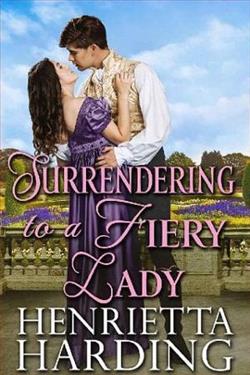
Surrendering to a Fiery Lady by Henrietta Harding is a captivating historical romance that weaves together themes of love, independence, and the struggle against societal expectations. Set against the backdrop of Regency England, the novel introduces readers to the spirited Miss Ophelia Townsend, who, after the death of her father, finds herself in a precarious situation. With her fortune left to her, she becomes the target of her manipulative stepmother, Gertrude, who is determined to marry her off to her unscrupulous nephew. This setup not only establishes the stakes for Ophelia but also sets the stage for a thrilling exploration of autonomy and desire.
From the outset, Ophelia is portrayed as a strong-willed and independent character, refusing to be controlled by her stepmother or society's expectations. Her determination to avoid a marriage to a rogue she despises makes her relatable and admirable. Harding does an excellent job of developing Ophelia's character, showcasing her resilience and intelligence as she navigates the treacherous waters of her new reality. The introduction of the Duke of Northmore, Elliot Fillmore, adds another layer of complexity to the narrative. Elliot is not just a dashing figure; he is a man burdened by financial ruin and societal gossip, which complicates his pursuit of love and stability.
The chemistry between Ophelia and Elliot is palpable from their first encounter. Harding masterfully crafts their relationship, starting with a mutual need that evolves into a deeper emotional connection. The initial arrangement they strike—a partnership born out of necessity—gradually transforms into something more profound. This evolution is depicted with sensitivity and nuance, allowing readers to witness the characters' growth as they confront their feelings amidst external pressures. The tension between their desires and the looming threat of Gertrude's machinations creates a compelling narrative arc that keeps readers engaged.
One of the standout themes in Surrendering to a Fiery Lady is the concept of choice versus obligation. Ophelia's struggle against her stepmother's control and the societal norms that dictate her future is a powerful commentary on women's autonomy during the Regency period. Harding's portrayal of Ophelia's fight for independence resonates with contemporary readers, making her journey not just a historical tale but a timeless exploration of self-determination. The novel invites readers to reflect on the sacrifices women have made throughout history and the ongoing quest for agency in relationships.
Moreover, the backdrop of financial ruin adds a layer of realism to the romance. Elliot's desperation to find a wealthy bride to save his estate mirrors the societal pressures faced by both characters. This financial aspect serves as a catalyst for their relationship, forcing them to confront their motivations and desires. Harding skillfully intertwines the themes of love and financial stability, illustrating how societal expectations can complicate personal relationships. The stakes are high, and the characters must navigate their feelings while considering the implications of their choices.
The pacing of the novel is well-executed, with a balance of tension and tenderness that keeps the reader invested. Harding's writing style is both engaging and evocative, painting vivid images of the Regency era while allowing the emotional depth of the characters to shine through. The dialogue is sharp and witty, reflecting the social dynamics of the time and enhancing the chemistry between Ophelia and Elliot. The supporting characters, particularly Gertrude, are well-developed, serving as formidable obstacles that heighten the stakes and add depth to the narrative.
As the story progresses, the question of whether Ophelia and Elliot can turn their scandalous arrangement into a lasting love becomes increasingly urgent. The tension builds to a satisfying climax, where both characters must confront their fears and desires. Harding does not shy away from the complexities of love, illustrating that true connection often requires vulnerability and sacrifice. The resolution is both heartwarming and realistic, leaving readers with a sense of hope and fulfillment.
In comparison to other historical romances, Surrendering to a Fiery Lady stands out for its strong character development and exploration of themes that resonate beyond the confines of its setting. Readers who enjoy the works of authors like Julia Quinn or Lisa Kleypas will find much to love in Harding's storytelling. The blend of romance, wit, and social commentary creates a rich tapestry that appeals to fans of the genre.
In conclusion, Henrietta Harding's Surrendering to a Fiery Lady is a delightful and engaging read that captures the essence of love and independence in a historical context. With well-drawn characters, a compelling plot, and themes that resonate with modern readers, this novel is a testament to the enduring power of love and the importance of self-determination. Whether you're a longtime fan of historical romance or new to the genre, this book is sure to leave a lasting impression.



