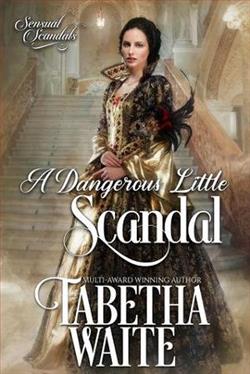
In her latest novel, A Dangerous Little Scandal, Tabetha Waite crafts a compelling narrative that intertwines themes of independence, societal expectations, and the complexities of love. Set against the backdrop of a Regency-era society, the story revolves around Lady Isadora Bevelstroke, a character who embodies the struggle between personal ambition and societal norms.
Lady Isadora is portrayed as the epitome of responsibility and decorum, often overshadowed by her more flamboyant sisters. As the eldest, she has taken it upon herself to uphold the family’s reputation while also carving out a niche for herself in a male-dominated world. Waite does an exceptional job of illustrating Isadora’s internal conflict; she is a woman of substance, yet she grapples with the fear that her ambitions may come at the cost of her happiness. This duality makes her a relatable and multifaceted character, allowing readers to empathize with her plight.
Remington Fletcher, the Marquess of Osgood, serves as the perfect foil to Isadora’s character. His initial respect for her intelligence and maturity quickly evolves into a deeper admiration as he discovers the layers beneath her stoic exterior. Waite’s portrayal of Remington is equally nuanced; he is not merely a charming suitor but a man who recognizes Isadora’s sacrifices and seeks to encourage her to embrace vulnerability. Their relationship is built on mutual respect and understanding, which is a refreshing departure from the often superficial romantic entanglements found in similar novels.
The chemistry between Isadora and Remington is palpable, yet it is their emotional connection that truly drives the narrative. Waite skillfully navigates the tension between their burgeoning romance and Isadora’s fear of losing her independence. This theme resonates deeply in today’s context, where many women still grapple with balancing personal aspirations and romantic relationships. The author’s exploration of this dynamic is both timely and timeless, making the story relevant to contemporary readers.
One of the standout aspects of A Dangerous Little Scandal is Waite’s ability to create a vivid sense of place. The Regency setting is richly detailed, immersing readers in the societal norms and expectations of the time. From lavish balls to intimate conversations in drawing rooms, the author paints a picture that is both enchanting and historically grounded. This attention to detail enhances the overall reading experience, allowing readers to fully engage with the world Waite has created.
Moreover, the supporting characters in the novel are well-developed and contribute significantly to the narrative. Isadora’s sisters, while initially appearing as mere background figures, gradually reveal their own struggles and aspirations. This adds depth to the story and highlights the varying paths women can take in pursuit of happiness. Waite’s exploration of sisterhood and familial bonds adds another layer to the narrative, showcasing the importance of support systems in overcoming societal challenges.
Waite’s writing style is both elegant and accessible, making the novel a pleasure to read. Her dialogue is sharp and witty, capturing the essence of the characters and their relationships. The pacing of the story is well-balanced, with moments of tension and introspection interspersed with lighter, more humorous exchanges. This blend keeps readers engaged and invested in the outcome of Isadora and Remington’s journey.
In comparison to other works in the genre, such as Pride and Prejudice by Jane Austen or The Duchess Deal by Tessa Dare, Waite’s novel stands out for its focus on the internal struggles of its protagonist. While Austen’s Elizabeth Bennet navigates societal expectations with a sharp wit, Isadora’s journey is more introspective, emphasizing the emotional toll of her choices. Similarly, while Dare’s heroines often embrace their independence with a bold flair, Isadora’s character arc is rooted in a more subdued, yet equally powerful, transformation.
Overall, A Dangerous Little Scandal is a beautifully crafted tale that resonates with readers on multiple levels. Tabetha Waite has succeeded in creating a story that not only entertains but also provokes thought about the roles women play in society and the sacrifices they make for love and ambition. The novel’s exploration of independence, vulnerability, and the complexities of human relationships makes it a must-read for fans of historical romance.
In conclusion, Waite’s latest offering is a testament to her skill as a storyteller. With rich character development, a captivating plot, and a thoughtful examination of societal norms, A Dangerous Little Scandal is sure to leave a lasting impression on its readers. Whether you are a longtime fan of the genre or new to historical romance, this novel is a delightful addition to your reading list.



