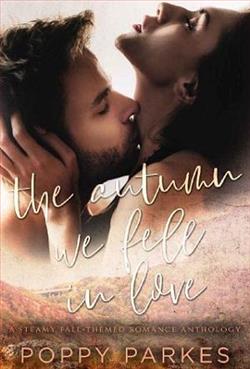
Poppy Parkes’ The Autumn We Fell in Love is a delightful exploration of love, self-discovery, and the complexities of relationships at various stages of life. The narrative weaves together multiple storylines, each brimming with emotional depth and relatable characters, making it a compelling read for anyone who has ever navigated the tumultuous waters of romance and personal growth.
The book opens with a poignant premise: a woman, newly single after two decades, grappling with the realities of aging and the onset of menopause. This central character, who enrolls in a poetry course, embodies the struggles many face when they find themselves at a crossroads in life. Parkes does an exceptional job of portraying the insecurities that come with aging, particularly in a society that often glorifies youth. The protagonist’s journey to rediscover her passion for poetry becomes a metaphor for her quest to reclaim her identity and self-worth.
One of the most striking aspects of Parkes’ writing is her ability to create vivid, multi-dimensional characters. The protagonist’s infatuation with her younger poetry teacher, Rowan Keating, adds a layer of complexity to the narrative. Their relationship is not merely a romantic subplot; it serves as a catalyst for the protagonist’s transformation. Rowan, with his charm and talent, represents the possibility of new beginnings, yet he also carries his own secrets and emotional baggage. This dynamic creates a rich tension that keeps readers engaged, as they root for the characters to overcome their fears and embrace love.
The theme of age disparity in relationships is handled with sensitivity and nuance. Parkes challenges the societal norms that dictate who is deemed “appropriate” for whom, allowing readers to reflect on their own biases. The protagonist’s internal struggle—wondering if a younger man could genuinely love her—resonates deeply, as it reflects a universal fear of rejection and inadequacy. This theme is particularly relevant in today’s world, where ageism is still prevalent, and Parkes’ exploration of it is both refreshing and empowering.
In addition to the main storyline, Parkes introduces several subplots that enrich the narrative. The cooking competition featuring Brie and her rival Colby Jackson adds a delightful layer of humor and tension. Brie’s determination to win for her grandmother’s medical care is a touching motivation that highlights the importance of family and sacrifice. The unexpected romance that blossoms between Brie and Colby, initially framed as an arch-enemy dynamic, showcases Parkes’ talent for crafting engaging romantic arcs that defy expectations. Their relationship evolves from rivalry to mutual respect and attraction, illustrating how love can emerge from the most unlikely circumstances.
Another notable subplot involves Isla and her best friend’s brother, who grapples with his feelings for her after years of friendship. This storyline captures the essence of unrequited love and the fear of jeopardizing existing relationships. Parkes masterfully navigates the complexities of friendship and attraction, allowing readers to experience the thrill and anxiety of falling for someone who was once considered off-limits. The emotional stakes are high, and the resolution is both satisfying and realistic, making it a standout moment in the book.
The character of Laurent Orville, who turns to exotic dancing to support his family, adds yet another layer of depth to the narrative. His journey reflects the struggles of young adults trying to find their place in the world while facing financial hardships. Laurent’s relationship with Shira, who needs a fake boyfriend for her dating app, is a clever twist that explores themes of vulnerability and the masks people wear in society. Their connection evolves from a practical arrangement to something more profound, illustrating how love can blossom in unexpected ways.
Parkes’ writing style is engaging and accessible, with a blend of humor and poignancy that keeps the reader invested. Her ability to balance multiple storylines without losing focus is commendable, and each character’s arc feels well-developed and meaningful. The dialogue is sharp and witty, providing moments of levity amidst the more serious themes of the book. Parkes’ knack for creating relatable situations and characters ensures that readers will find pieces of themselves within the pages.
Ultimately, The Autumn We Fell in Love is a celebration of love in all its forms—romantic, familial, and self-love. Parkes encourages readers to embrace their imperfections and to seek connection, regardless of age or circumstance. The book serves as a reminder that it’s never too late to start anew, to pursue passions, and to open one’s heart to the possibilities that life has to offer.
In comparison to other contemporary romance novels, Parkes’ work stands out for its focus on characters in their 40s and 50s, a demographic often overlooked in the genre. Authors like Anne Tyler and Elizabeth Berg also explore themes of love and self-discovery in later life, but Parkes adds a modern twist with her diverse cast and relatable scenarios. The book’s exploration of age, vulnerability, and the courage to love again resonates with readers of all ages, making it a timeless addition to the romance genre.
In conclusion, Poppy Parkes’ The Autumn We Fell in Love is a beautifully crafted narrative that invites readers to reflect on their own experiences with love and self-acceptance. With its rich character development, engaging storylines, and heartfelt themes, this book is sure to leave a lasting impact. Whether you’re a fan of romance or simply seeking a story that celebrates the complexities of life, this novel is a must-read.



