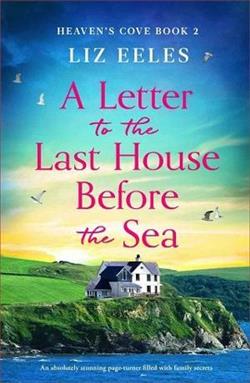
In Liz Eeles' enchanting novel, A Letter to the Last House Before the Sea, readers are invited into the picturesque yet complex world of Heaven’s Cove, a seaside village steeped in secrets and familial ties. The story follows Lettie Starcross, a young woman grappling with loss and a sense of disconnection from her family and herself. The narrative begins with a mysterious letter and a tiny gold key, which serve as catalysts for Lettie's journey of self-discovery and reconciliation with her past.
The novel opens with Lettie standing high on the clifftops, inhaling the salty air as she reads an unsigned letter written in faint, old-fashioned handwriting. This letter, along with the key, propels her into a quest to uncover the truth about her beloved Great Aunt Iris, who left Heaven’s Cove years ago under unclear circumstances. Eeles masterfully sets the tone of the story with vivid descriptions of the coastal landscape, making the setting feel almost like a character in its own right. The clifftops, cobbled streets, and Driftwood House, where Lettie stays, are painted with such detail that readers can almost feel the sea breeze and hear the waves crashing against the rocks.
At the heart of the narrative is the theme of grief and longing. Lettie's emotional turmoil is palpable as she navigates her feelings of loss after her aunt's passing and her own sense of aimlessness in life. Eeles captures the essence of what it means to feel adrift, especially in a world where familial expectations and personal desires often clash. Lettie's journey is not just about uncovering the secrets of her aunt’s past; it is also about finding her own place in the world and understanding the complexities of family dynamics.
The character development in A Letter to the Last House Before the Sea is particularly noteworthy. Lettie is a relatable protagonist, embodying the struggles of many young adults today who feel lost and disconnected. Her interactions with the locals, especially with Corey, a brooding fisherman with a mysterious past of his own, add layers to her character. The chemistry between Lettie and Corey is electric, providing a welcome distraction from her grief. Their relationship evolves from a chance encounter to a deeper connection, highlighting the theme of healing through love. However, the revelation of Iris's past and its impact on the community complicates their budding romance, forcing Lettie to confront not only her aunt's choices but also her own.
As Lettie delves deeper into the history of her family and the town, she learns about a devastating secret that Iris harbored—one that had torn apart the community seventy years ago. This revelation serves as a pivotal moment in the story, challenging Lettie's perceptions of her aunt and the legacy she left behind. Eeles skillfully intertwines the past and present, illustrating how history can shape identities and relationships. The narrative raises important questions about forgiveness, understanding, and the weight of family secrets, making it a thought-provoking read.
The supporting characters are equally well-developed, each contributing to the richness of the story. Corey’s grandmother, who reacts with shock upon hearing Iris's name, adds a layer of tension and intrigue. Her character embodies the lingering effects of the past on the present, serving as a reminder that the choices we make can have far-reaching consequences. The interactions between Lettie and the townsfolk further emphasize the theme of community and belonging, as she learns to navigate her place within this tight-knit group.
Eeles’ writing style is both lyrical and accessible, making the novel a page-turner. The dialogue is authentic, capturing the nuances of small-town life and the complexities of human relationships. The pacing is well-balanced, with moments of introspection interspersed with engaging plot developments. Eeles knows how to build suspense, particularly as Lettie inches closer to uncovering the truth about her aunt and the key’s significance.
In comparison to other contemporary novels that explore similar themes, such as The Light Between Oceans by M.L. Stedman or Big Little Lies by Liane Moriarty, Eeles’ work stands out for its focus on the emotional landscape of its characters. While both of those novels delve into the repercussions of choices made in the past, Eeles brings a unique blend of warmth and melancholy to her storytelling. The seaside setting adds a layer of charm and nostalgia, reminiscent of books like Beach Read by Emily Henry, yet Eeles’ narrative is more introspective, focusing on the internal struggles of her characters rather than just romantic entanglements.
Ultimately, A Letter to the Last House Before the Sea is a beautifully crafted tale of love, loss, and the search for identity. Liz Eeles has created a world that resonates with readers, inviting them to reflect on their own familial ties and the secrets that may lie within. The novel is a reminder that understanding our past can pave the way for healing and growth, and that sometimes, the key to our future lies in unlocking the truths we’ve long buried.
For those seeking a heartfelt story that combines elements of mystery, romance, and self-discovery, this book is a must-read. Eeles has woven a narrative that is both engaging and thought-provoking, ensuring that readers will be left pondering the complexities of family and the choices that shape our lives long after they turn the last page.



