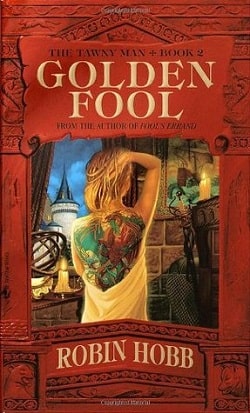
Golden Fool, the second installment in Robin Hobb's Tawny Man trilogy, is a masterful continuation of the epic saga that began with Fool's Errand. Hobb, renowned for her intricate world-building and profound character development, plunges readers deeper into the life of FitzChivalry Farseer, a reluctant hero grappling with loss, duty, and the weight of destiny. This novel is not just a tale of adventure; it is a poignant exploration of sacrifice, friendship, and the complexities of power.
At the heart of Golden Fool lies Fitz's struggle to navigate a world rife with political intrigue and personal turmoil. The narrative picks up after the harrowing rescue of Prince Dutiful from the clutches of the Piebalds, a group that threatens the fragile peace of the Six Duchies. Fitz, still reeling from the death of his beloved wolf, Nighteyes, is drawn back into the political machinations of Buckkeep, where he must assume the guise of Tom Badgerlock, the bodyguard to Lord Golden. This duality of identity is a recurring theme in Hobb's work, reflecting the complexities of self and the masks we wear in society.
One of the most compelling aspects of Golden Fool is its rich character development. Fitz is not merely a pawn in the game of thrones; he is a deeply flawed and relatable character, burdened by his past and the expectations placed upon him. Hobb's portrayal of Fitz's internal struggles—his grief, his sense of isolation, and his fierce loyalty—makes him a profoundly human protagonist. The relationship between Fitz and the Fool is particularly noteworthy. Their bond, forged through shared experiences and mutual understanding, serves as a beacon of hope amid the encroaching darkness. However, as secrets from the Fool's past come to light, their friendship is tested, adding layers of complexity to both characters.
The themes of Golden Fool resonate on multiple levels. The exploration of power dynamics is particularly striking, as Fitz grapples with the responsibilities of his position while also confronting the prejudices against the Witted—those who possess animal-like abilities. Hobb deftly weaves social commentary into the narrative, highlighting issues of discrimination and the struggle for acceptance. The tension surrounding Prince Dutiful's betrothal to the enigmatic Narcheska Elliania underscores the precarious nature of alliances and the secrets that can unravel them. As the stakes rise, Hobb masterfully builds suspense, keeping readers on the edge of their seats.
Another significant theme is the exploration of magic, particularly the Skill and the beast magic that Fitz and Dutiful share. Hobb's approach to magic is nuanced; it is not merely a tool for power but a source of addiction and danger. The characters' struggles with their magical abilities reflect their inner conflicts and the broader implications of wielding such power. The introduction of a new character with a wild talent for the Skill adds further tension, as Fitz must confront not only external threats but also the potential for betrayal from within.
The pacing of Golden Fool is expertly handled, with Hobb balancing moments of introspection with action-packed sequences. The political intrigue unfolds gradually, allowing readers to become fully immersed in the intricacies of court life. Hobb's prose is lyrical and evocative, painting vivid images of the world she has created. The emotional depth of the narrative is enhanced by her ability to convey the characters' thoughts and feelings with precision, making their journeys all the more impactful.
In comparison to other fantasy works, Hobb's storytelling stands out for its emotional resonance and character-driven plots. While many fantasy novels focus heavily on epic battles and grand quests, Hobb's strength lies in her ability to delve into the psychological and emotional landscapes of her characters. Readers who appreciate the intricate character studies found in the works of authors like Patrick Rothfuss or N.K. Jemisin will find much to admire in Golden Fool.
Overall, Golden Fool is a triumph of fantasy literature. Robin Hobb has crafted a narrative that is both gripping and thought-provoking, filled with rich characters and profound themes. As FitzChivalry navigates the treacherous waters of court politics and personal loss, readers are taken on a journey that explores the very essence of what it means to be human. The book leaves us with a sense of anticipation for the next installment, eager to see how Fitz will confront the challenges that lie ahead.
In conclusion, Golden Fool is not just a continuation of a beloved series; it is a testament to Robin Hobb's skill as a storyteller. With its intricate plot, complex characters, and deep emotional resonance, this novel is a must-read for fans of fantasy and anyone who appreciates a well-crafted tale of sacrifice and redemption.



