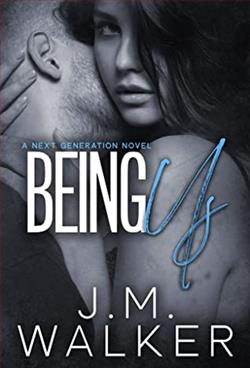
In J.M. Walker's latest installment of the Next Generation series, Being Us, readers are thrust into a world where love and conflict intertwine in a gripping narrative that explores the complexities of human relationships against a backdrop of personal demons and familial expectations. This novel centers around Tanner Horsch and Beatrix Lister, two characters whose lives collide in unexpected ways, leading to a story that is both heart-wrenching and exhilarating.
Tanner emerges as a deeply flawed yet compelling protagonist. His journey begins in isolation, having retreated from the world for six months, haunted by his past and the choices he has made to survive. Walker does an exceptional job of portraying Tanner's internal struggles; he is a man who has been shaped by his experiences, often viewing himself as a "cold-blooded monster." This self-perception creates a rich tapestry of conflict within him, as he grapples with feelings of unworthiness when it comes to love. His relationship with Beatrix serves as a catalyst for change, forcing him to confront his demons and the walls he has built around his heart.
Beatrix, on the other hand, is a beacon of warmth and resilience. She embodies strength and compassion, traits that draw Tanner to her despite his initial reluctance to let anyone in. Walker skillfully contrasts Tanner's coldness with Beatrix's nurturing nature, creating a dynamic that is both tender and tumultuous. Beatrix's determination to understand Tanner and her refusal to let him go, despite the disapproval of her family, adds layers to her character. She becomes not just a love interest but a pivotal force in Tanner's journey toward redemption.
The themes of love, redemption, and the struggle between good and evil are intricately woven throughout the narrative. Tanner's perception of himself as a villain in someone else's story highlights the often-blurred lines between heroism and monstrosity. Walker challenges readers to reconsider their definitions of good and evil, suggesting that sometimes, the most complex characters are those who have been labeled as "monsters." This theme resonates deeply, inviting readers to reflect on their own judgments and the circumstances that shape individuals.
Walker’s writing style is both evocative and immersive, drawing readers into the emotional landscape of the characters. The dual perspectives of Tanner and Beatrix allow for a nuanced exploration of their relationship, providing insight into their motivations and fears. The alternating viewpoints create a sense of urgency and intimacy, as readers are privy to the internal conflicts that each character faces. This narrative technique enhances the emotional stakes, making the reader root for their union even as obstacles loom large.
As the story unfolds, the tension escalates, particularly as Tanner seeks answers that could potentially jeopardize his relationship with Beatrix. The stakes are raised not only by Tanner's quest for truth but also by the looming threat of Beatrix's family, who represent a significant barrier to their happiness. Walker expertly builds suspense, keeping readers on the edge of their seats as they wonder whether love can truly conquer all, or if the weight of past decisions will ultimately tear them apart.
Another noteworthy aspect of Being Us is the exploration of familial loyalty and its impact on personal relationships. Beatrix's struggle to reconcile her feelings for Tanner with her family's expectations adds a layer of complexity to the narrative. This theme is reminiscent of other contemporary romances, such as those found in the works of authors like Colleen Hoover and Tessa Bailey, where love often clashes with external pressures. However, Walker distinguishes her story by delving deeper into the psychological ramifications of these conflicts, making the stakes feel all the more real.
The pacing of the novel is well-executed, with moments of tension balanced by tender interludes that allow for character development. Walker's ability to create vivid imagery and emotional resonance ensures that readers remain engaged throughout. The dialogue is sharp and authentic, capturing the essence of each character's voice and further enhancing the reader's connection to their journey.
In conclusion, Being Us is a powerful exploration of love, identity, and the struggle for redemption. J.M. Walker has crafted a narrative that is both heart-wrenching and uplifting, inviting readers to reflect on the complexities of human relationships. Tanner and Beatrix's journey is a testament to the idea that love can be a transformative force, capable of breaking down even the most formidable barriers. This novel is a must-read for fans of contemporary romance who appreciate stories that challenge conventional notions of good and evil while delivering a compelling emotional punch.
For those interested in diving deeper into Tanner and Beatrix's story, Being Us is available on platforms like Amazon and Goodreads.



