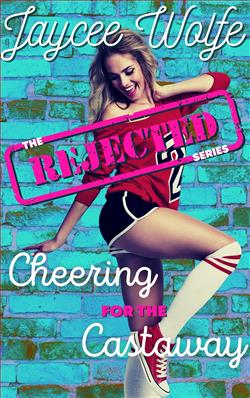
In Jaycee Wolfe's debut novel, Cheering For The Castaway (Rejected 1), readers are thrust into the tumultuous lives of two high school seniors, Alec and Bailey, who navigate the complexities of love, identity, and social class in a small town rife with division. The narrative is a poignant exploration of the struggles faced by those deemed "rejects" in a society that often prioritizes wealth and status over character and connection.
Alec, the quintessential "trailer trash" boy, embodies the spirit of rebellion against a world that has labeled him and his friends as outcasts. Wolfe does an exceptional job of illustrating Alec's internal conflict; he is torn between the desire to escape his impoverished upbringing and the magnetic pull of Bailey, the cheerleader who represents everything he has been taught to disdain. This duality is a recurring theme throughout the novel, as Alec grapples with his identity and the societal expectations placed upon him. His character development is both realistic and relatable, showcasing the struggles of many young adults who feel trapped by their circumstances.
On the other hand, Bailey is portrayed as a strong yet vulnerable character, caught in the web of her own expectations and the pressures of her social circle. As a cheerleader, she is expected to conform to a certain image, yet her heart lies with a boy who seems oblivious to her existence. Wolfe captures Bailey's frustration and longing beautifully, allowing readers to empathize with her plight. The moment she is attacked and Alec comes to her rescue serves as a pivotal turning point in the story, igniting a connection that neither of them anticipated.
The chemistry between Alec and Bailey is palpable, and Wolfe masterfully builds their relationship from a foundation of mutual understanding and shared experiences. Their interactions are laced with tension and vulnerability, making their eventual romance feel both earned and authentic. Wolfe's writing shines in these moments, as she captures the awkwardness and excitement of first love, while also addressing deeper issues such as self-worth and societal judgment.
One of the most compelling aspects of Cheering For The Castaway is its exploration of class disparity. Wolfe does not shy away from the harsh realities faced by those living in poverty, and she contrasts this with the privilege of the wealthy characters in the story. This theme resonates throughout the narrative, prompting readers to reflect on their own biases and assumptions about people from different backgrounds. The town itself becomes a character, representing the divide between the haves and the have-nots, and serving as a backdrop for Alec and Bailey's journey toward self-discovery and acceptance.
Wolfe's prose is engaging and evocative, drawing readers into the emotional landscape of her characters. The dialogue is sharp and realistic, capturing the nuances of teenage interactions and the complexities of their relationships. The pacing of the story is well-balanced, with moments of tension interspersed with lighter, more humorous scenes that provide relief from the heavier themes. This balance keeps readers invested in the characters' journeys and eager to see how their stories unfold.
In comparison to other young adult novels that tackle similar themes, such as The Hate U Give by Angie Thomas or Looking for Alaska by John Green, Wolfe's work stands out for its raw honesty and relatability. While both of those novels address issues of race and identity, Cheering For The Castaway focuses more on class and the impact it has on personal relationships. Wolfe's ability to weave these themes into a compelling love story makes her debut a noteworthy addition to the genre.
Overall, Cheering For The Castaway (Rejected 1) is a heartfelt and thought-provoking novel that captures the essence of young love amidst the challenges of societal expectations. Jaycee Wolfe has crafted a story that resonates with readers, encouraging them to reflect on their own perceptions of class and identity. With well-developed characters and a gripping narrative, this book is sure to leave a lasting impact on anyone who picks it up. As Alec and Bailey navigate their final days of high school, readers will find themselves rooting for their happiness and hoping for a brighter future, not just for them, but for all those who feel like castaways in their own lives.



