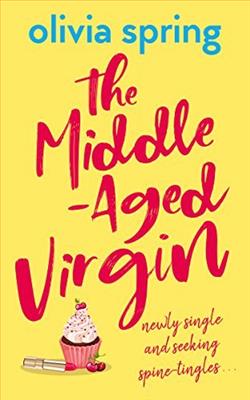
Olivia Spring’s The Middle-Aged Virgin is a refreshing and relatable exploration of modern womanhood, particularly the challenges faced by women in their thirties and forties as they navigate the complexities of love, career, and self-discovery. Sophia Huntingdon, the protagonist, is a character that many readers will find familiar—successful yet unfulfilled, seemingly living the dream but grappling with the stark reality of her life choices.
The novel opens with Sophia at the pinnacle of her career, running a prestigious beauty PR agency in London. At first glance, she appears to have it all: a stylish wardrobe filled with designer shoes, a charming boyfriend, and a high-profile job. However, as the narrative unfolds, it becomes clear that her life is more of a façade than a dream come true. The tragedy that strikes her life serves as a catalyst for change, forcing her to confront the uncomfortable truth that she has become a workaholic, trapped in a monotonous relationship devoid of passion and excitement.
Spring’s portrayal of Sophia is both nuanced and engaging. The author skillfully captures the internal conflict that many women face when they prioritize career over personal fulfillment. Sophia’s journey from a self-proclaimed “MARGIN” (Middle-Aged Virgin) to a woman who seeks to reclaim her sexual and emotional vitality is both humorous and poignant. The term “MARGIN” itself is a clever invention that encapsulates the plight of many adults who find themselves in long-term relationships that have lost their spark. This clever terminology adds a layer of relatability to the narrative, making it resonate with readers who may find themselves in similar situations.
As Sophia embarks on her quest for self-discovery, the novel delves into themes of empowerment, independence, and the societal pressures surrounding relationships. The decision to end her fifteen-year relationship is a significant turning point in the story, and Spring handles this transition with sensitivity and realism. Sophia’s struggle to navigate the unpredictable world of online dating is both comical and enlightening, showcasing the awkwardness and challenges that come with modern romance. Through her misadventures, readers are treated to a candid exploration of vulnerability and the fear of intimacy that often accompanies the search for love.
One of the standout aspects of The Middle-Aged Virgin is its humor. Spring’s witty writing style injects levity into serious themes, making the reading experience enjoyable while still prompting reflection. Sophia’s encounters with potential suitors are filled with laugh-out-loud moments that highlight the absurdities of dating in the digital age. From disastrous first dates to cringe-worthy online interactions, these scenes are relatable and serve to remind readers that the journey to finding love is rarely smooth.
Character development is another strong point in the novel. Sophia evolves from a woman who feels trapped in her life to someone who actively seeks change and embraces new experiences. Her friendships, particularly with her best friend who coins the term “MARGIN,” play a crucial role in her transformation. These relationships are portrayed with authenticity, showcasing the importance of female camaraderie and support in times of personal crisis. The dynamic between Sophia and her friend adds depth to the narrative, illustrating how friendships can serve as a lifeline during challenging times.
Moreover, Spring does not shy away from addressing the sacrifices that come with pursuing love and personal happiness. As Sophia navigates her newfound independence, she grapples with the question of how much she is willing to compromise for a relationship. This theme is particularly relevant in today’s society, where women are often expected to balance career ambitions with traditional notions of love and partnership. Sophia’s journey serves as a reminder that it is possible to prioritize oneself while still seeking meaningful connections with others.
In comparison to other contemporary novels that explore similar themes, such as Eat, Pray, Love by Elizabeth Gilbert or Bridget Jones’s Diary by Helen Fielding, The Middle-Aged Virgin stands out for its focus on the complexities of middle-aged dating and the unique challenges faced by women in this stage of life. While Gilbert’s journey is more about self-discovery through travel and Fielding’s is steeped in comedic misadventures, Spring’s narrative is grounded in the realities of modern relationships and the societal expectations that accompany them.
Overall, The Middle-Aged Virgin is a compelling read that combines humor, heart, and a keen understanding of the struggles faced by women today. Olivia Spring has crafted a story that is both entertaining and thought-provoking, encouraging readers to reflect on their own lives and the choices they make. Sophia Huntingdon’s journey is one of empowerment, reminding us that it is never too late to seek change and embrace the adventures that life has to offer.
In conclusion, if you’re looking for a novel that balances wit with wisdom, The Middle-Aged Virgin is a must-read. It’s a celebration of self-discovery, friendship, and the pursuit of happiness, making it a perfect companion for anyone navigating the complexities of love and life in the modern world.



