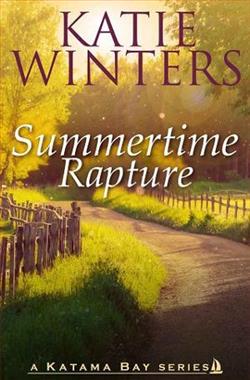
In her latest novel, Summertime Rapture, Katie Winters invites readers into the sun-soaked world of Martha’s Vineyard, where the complexities of family dynamics, personal growth, and the quest for love unfold against a backdrop of summer festivities. The story centers around Mallory Remington, the middle child of the Remington Women, who grapples with her identity amidst the chaos of unexpected motherhood and profound loss.
From the outset, Winters crafts a rich tapestry of emotions, exploring themes of self-discovery and resilience. Mallory, often overshadowed by her more vibrant family members, embodies the struggle of many young women today: the desire to carve out a unique identity while fulfilling societal and familial expectations. Her accidental pregnancy with her on-again, off-again boyfriend, Lucas, serves as a catalyst for her journey of self-exploration. The juxtaposition of her personal turmoil against the idyllic summer setting creates a poignant contrast that resonates deeply with readers.
One of the most compelling aspects of Summertime Rapture is its character development. Mallory is portrayed with remarkable depth; her quiet demeanor belies a fierce determination to understand who she is beyond her roles as a mother and daughter. As she navigates her feelings of being overlooked, Winters allows readers to witness Mallory’s evolution from a passive participant in her life to an active seeker of her own happiness. This transformation is relatable and inspiring, making her journey one that many can empathize with.
The supporting characters are equally well-drawn, particularly Elsa, Mallory’s mother, who finds new love with widower Bruce Holland. Their relationship adds another layer to the narrative, illustrating how love can blossom even in the wake of grief. Bruce’s involvement in a local criminal case introduces an element of intrigue and suspense, weaving together the personal and the communal in a way that keeps readers engaged. The gossip and excitement surrounding the case serve as a backdrop for Mallory’s own revelations, highlighting how intertwined our lives can be with those around us.
Winters also excels in her portrayal of the vibrant summer atmosphere on Martha’s Vineyard. The sailing competitions, food festivals, and celebrity sightings create a lively setting that contrasts with Mallory’s internal struggles. This setting not only enhances the narrative but also serves as a metaphor for the fleeting nature of summer and the urgency of Mallory’s quest for self-fulfillment. The island becomes a character in its own right, reflecting the joys and challenges of life.
Thematically, Summertime Rapture delves into the complexities of love—both romantic and familial. Mallory’s relationship with Lucas is fraught with uncertainty, prompting her to question whether he is truly the right partner for her. This exploration of love is nuanced; it acknowledges the challenges of young relationships while also celebrating the potential for growth and change. The novel poses essential questions: What does it mean to love someone? How do we balance our desires with the needs of those we care about?
Moreover, the book touches on the theme of motherhood, particularly the idea of being a role model for one’s children. Mallory’s desire to show her son what she is made of adds a layer of motivation to her journey. It’s a powerful reminder that self-discovery is not just a personal endeavor but also a legacy we leave for the next generation. This theme resonates strongly in today’s society, where many women are striving to find their identities beyond traditional roles.
Winters’ writing style is both engaging and evocative, drawing readers into the emotional landscape of her characters. Her ability to balance humor with poignant moments makes for a well-rounded reading experience. The dialogue is sharp and realistic, capturing the nuances of family interactions and the complexities of romantic relationships. Each character’s voice is distinct, adding richness to the narrative.
In comparison to other contemporary novels that explore similar themes, such as Big Little Lies by Liane Moriarty or The Summer I Turned Pretty by Jenny Han, Summertime Rapture stands out for its focus on the inner lives of its characters. While Moriarty’s work delves into darker themes of secrets and lies, and Han’s captures the innocence of young love, Winters strikes a balance between light-hearted summer escapism and deep emotional exploration. This makes her novel both entertaining and thought-provoking.
Overall, Summertime Rapture is a beautifully crafted novel that captures the essence of summer while exploring profound themes of identity, love, and resilience. Katie Winters has created a compelling narrative that will resonate with readers long after they turn the last page. Mallory Remington’s journey of self-discovery is a testament to the power of love and the importance of finding one’s voice in a world that often tries to silence it. This book is a must-read for anyone seeking a heartfelt story that celebrates the complexities of life and the beauty of personal growth.



