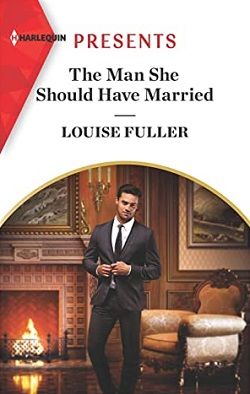
Louise Fuller's The Man She Should Have Married is a compelling romance novel that deftly explores themes of love, regret, and second chances. Set against the picturesque backdrop of the Scottish Highlands, the story is a poignant reminder of how the past can shape our present and future, and how love, when genuine, can withstand the test of time.
The novel opens with Lady Antonia Elgin, affectionately known as Nia, grappling with the consequences of her past decisions. Breaking off her engagement to Farlan Wilder was a heart-wrenching choice, driven by the harsh realities of their differing worlds. Now, years later, Nia finds herself in a precarious situation due to her parents' financial irresponsibility, forcing her to rent out their cherished Highland manor. The twist of fate that brings Farlan back into her life is both serendipitous and fraught with emotional complexity.
Farlan Wilder, once a penniless dreamer, has transformed into a successful and renowned movie director. His return to the Highlands is not just a professional retreat but a personal journey into a past that still holds a powerful grip on his heart. The chemistry between Nia and Farlan is palpable from their first reunion, a testament to Fuller's skillful writing. Their interactions are charged with a mix of nostalgia, unresolved tension, and undeniable attraction, making for a captivating read.
Character development is one of the novel's strongest suits. Nia is portrayed as a woman of depth and resilience, caught between duty and desire. Her internal struggle is relatable and adds layers to her character, making her more than just a romantic heroine. Farlan, on the other hand, embodies the classic self-made man trope, yet Fuller infuses him with vulnerability and depth. His journey from a boy with dreams to a man of accomplishments is inspiring, and his enduring love for Nia adds a layer of emotional richness to his character.
The novel's themes are universal and resonate deeply with readers. The idea of second chances is beautifully woven throughout the narrative, offering hope and redemption. Fuller explores how time and circumstances can change people, yet some connections remain unbreakable. The theme of reconciliation with the past is also prominent, as both Nia and Farlan must confront their previous choices and the impact those decisions have had on their lives.
Fuller's writing style is engaging and evocative, capturing the essence of the Scottish Highlands with vivid descriptions that transport the reader to a world of rugged beauty and timeless romance. The setting is not just a backdrop but an integral part of the story, reflecting the characters' emotional landscapes and adding depth to the narrative.
In comparison to other romance novels, The Man She Should Have Married stands out for its mature exploration of love and relationships. Unlike many contemporary romances that focus on instant attraction and whirlwind affairs, Fuller's novel delves into the complexities of long-standing emotions and the challenges of rekindling a past love. It shares thematic similarities with works by authors like Nora Roberts and Jojo Moyes, who also excel in crafting emotionally resonant stories with well-developed characters.
Overall, The Man She Should Have Married is a beautifully crafted tale of love, loss, and the possibility of new beginnings. Louise Fuller has created a story that is both heartwarming and thought-provoking, leaving readers with a sense of hope and the belief that true love can indeed conquer all. Whether you're a fan of romance novels or simply enjoy a well-told story about the human experience, this book is a must-read.



