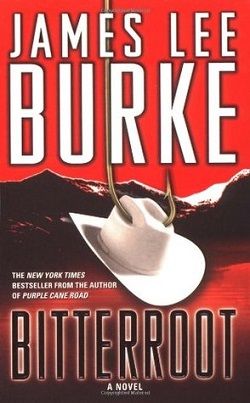
James Lee Burke’s Bitterroot, the third installment in the Billy Bob Holland series, is a masterful blend of crime fiction and deep psychological exploration, set against the stunning backdrop of Montana's wilderness. Burke, known for his lyrical prose and rich character development, takes readers on a harrowing journey that delves into the darkest corners of human nature while simultaneously celebrating the beauty of the natural world.
The narrative begins with Billy Bob Holland, a former Texas Ranger, who has traveled to Montana for what he hopes will be a peaceful fishing vacation with his friend Tobin "Doc" Voss. However, the tranquility of the landscape is soon shattered by a horrific crime: the rape of Doc's teenage daughter, Maisey. This event serves as the catalyst for the unfolding drama, thrusting Holland into a complex web of violence, corruption, and moral ambiguity. Burke’s ability to juxtapose the serene beauty of Montana with the brutal realities of human depravity is one of the novel's most striking features, creating a stark contrast that resonates throughout the story.
As Holland investigates the circumstances surrounding the attack on Maisey, he finds himself embroiled in a larger conspiracy involving organized crime, pedophilia, and right-wing extremism. The characters that populate this narrative are vividly drawn and multifaceted, each representing different facets of society's moral decay. From the alcoholic mystery novelist to the embittered federal agent, Burke crafts a cast that is as compelling as it is disturbing. The inclusion of a psychopathic ex-con and an undercover informant adds layers of complexity to the plot, keeping readers on edge as they navigate the shifting allegiances and hidden motives that drive the story forward.
At the heart of Bitterroot is Billy Bob Holland himself, a character who embodies the struggle between good and evil. Haunted by his past and grappling with his own capacity for violence, Holland is a fundamentally decent man caught in a world that often seems devoid of morality. Burke’s exploration of Holland's internal conflicts is profound; the character's "abiding anger" serves as a reflection of the broader societal issues at play. This theme of personal and institutional corruption is woven throughout the narrative, prompting readers to question the very nature of justice and morality.
Burke’s prose is both poetic and visceral, painting vivid images of the Montana landscape while simultaneously delving into the psychological depths of his characters. His ability to evoke emotion through descriptive language is unparalleled, making the reader feel the weight of the characters' struggles and the beauty of their surroundings. The dialogue is sharp and authentic, capturing the nuances of human interaction and the complexities of the relationships that drive the plot.
One of the most compelling aspects of Bitterroot is its exploration of environmental themes through the character of Doc Voss, an impassioned environmentalist. His fight against the mining corporation serves as a backdrop for the personal tragedies that unfold, highlighting the intersection of environmental issues and human suffering. Burke's portrayal of Voss is both sympathetic and critical, showcasing the contradictions inherent in his character and the broader implications of his activism. This theme resonates with contemporary discussions about environmental degradation and corporate greed, making the novel relevant in today's socio-political climate.
The novel's pacing is expertly crafted, with tension building steadily as Holland uncovers the layers of corruption and violence that permeate the community. Burke skillfully balances moments of introspection with high-stakes action, ensuring that readers remain engaged from start to finish. The climax is both shocking and satisfying, providing a resolution that feels earned while leaving lingering questions about the nature of justice and redemption.
In comparison to other works in the crime fiction genre, Bitterroot stands out for its depth of character and thematic richness. Authors like Cormac McCarthy and Dennis Lehane also explore similar themes of violence and moral ambiguity, but Burke's unique voice and lyrical style set him apart. His ability to weave together personal and societal narratives creates a tapestry that is both haunting and thought-provoking, inviting readers to reflect on their own beliefs and values.
Overall, Bitterroot is a powerful and evocative novel that showcases James Lee Burke's mastery of storytelling. With its intricate plot, well-developed characters, and profound themes, it is a compelling read that lingers long after the final page is turned. Burke invites us to confront the darkness within ourselves and society, all while reminding us of the beauty that exists in the world. For those who appreciate crime fiction that challenges the mind and stirs the soul, Bitterroot is an essential addition to the genre.



