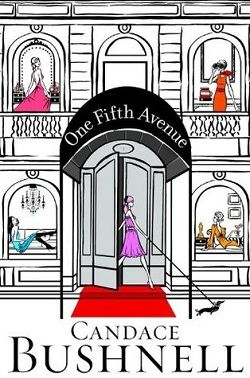
One Fifth Avenue by Candace Bushnell is a captivating exploration of the lives of women navigating the complex social landscape of New York City, all centered around the iconic address that gives the novel its name. Bushnell, known for her sharp wit and keen social commentary, takes readers on a journey through the lives of her characters, each of whom is intricately tied to the allure and prestige of this Art Deco masterpiece. The novel serves as a modern-day reflection of the themes of old and new money, ambition, and the relentless pursuit of social status, reminiscent of the works of literary giants like Edith Wharton and F. Scott Fitzgerald.
At the heart of the narrative are the women who inhabit One Fifth Avenue, each representing different facets of ambition and desire. The hedge fund king's wife, the aging gossip columnist, and the free-spirited actress are just a few of the characters whose lives intertwine within the walls of this prestigious building. Bushnell masterfully crafts their stories, revealing their hopes, dreams, and the lengths they will go to maintain their social standing. The characters are not merely archetypes; they are richly developed individuals with their own struggles and aspirations, making them relatable and engaging.
One of the most striking themes in One Fifth Avenue is the concept of identity and how it is shaped by one's environment. The building itself becomes a character in its own right, symbolizing the aspirations and failures of those who seek to call it home. For many, living in One Fifth Avenue is not just about the physical space; it is about the status it confers. Bushnell delves into the psychology of her characters, exploring how their self-worth is often tied to their possessions and social connections. This theme resonates deeply in a society that frequently equates success with material wealth and social prominence.
Character development is another area where Bushnell excels. Each woman in the story is given a distinct voice and backstory, allowing readers to empathize with their journeys. For instance, the hedge fund king's wife grapples with the pressures of maintaining her image while dealing with the realities of her marriage. The aging gossip columnist, on the other hand, reflects on her past glories and the fleeting nature of fame. Bushnell's ability to portray the complexities of these women's lives adds depth to the narrative, making it more than just a superficial look at wealth and privilege.
The novel also touches on the theme of friendship and rivalry among women. The relationships between the characters are fraught with tension, jealousy, and competition, mirroring the high-stakes world they inhabit. Bushnell does not shy away from depicting the darker sides of these relationships, showcasing how ambition can lead to betrayal and heartbreak. Yet, amidst the rivalry, there are moments of genuine connection and support, highlighting the duality of female friendships in a competitive environment.
In terms of style, Bushnell's prose is both engaging and accessible. Her sharp observations and humorous insights into the lives of her characters make for an entertaining read. The dialogue is particularly noteworthy, capturing the wit and banter of New York's elite. Bushnell's ability to weave humor into serious themes adds a layer of complexity to the narrative, allowing readers to reflect on the underlying issues while still enjoying the story.
Comparatively, One Fifth Avenue can be likened to other works that explore the lives of affluent women, such as The Devil Wears Prada by Lauren Weisberger or Crazy Rich Asians by Kevin Kwan. However, what sets Bushnell apart is her nuanced understanding of the social dynamics at play in New York City. While Weisberger and Kwan focus on the fashion and lifestyle aspects of wealth, Bushnell delves deeper into the emotional and psychological ramifications of living in a world where status is everything.
The impact of One Fifth Avenue extends beyond its pages. It serves as a mirror reflecting the societal pressures faced by women in contemporary culture, particularly in urban settings. Bushnell's characters grapple with issues of self-worth, identity, and the relentless pursuit of success, making the novel relevant to readers navigating similar challenges in their own lives. The book invites readers to consider what it truly means to be successful and how much of that success is dictated by societal expectations.
In conclusion, One Fifth Avenue is a compelling and insightful exploration of the lives of women in New York City, showcasing Bushnell's talent for capturing the zeitgeist of modern society. With its rich character development, sharp social commentary, and engaging narrative style, the novel stands as a testament to Bushnell's prowess as a storyteller. It is a must-read for anyone interested in the complexities of ambition, identity, and the intricate web of relationships that define our lives.



