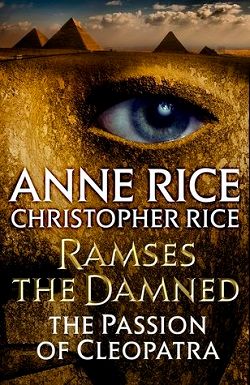
Anne Rice's The Passion of Cleopatra, the second installment in the Ramses the Damned series, is a mesmerizing exploration of immortality, power, and the complexities of love. Set against the backdrop of Edwardian England, the narrative weaves together the lives of two of history's most iconic figures: Ramses the Great and Cleopatra. Rice, known for her gothic storytelling and rich character development, once again delivers a tale that is as enchanting as it is thought-provoking.
The novel opens with Ramses, the once-mighty pharaoh, who has been reawakened by the elixir of life. This potent substance not only grants him immortality but also brings Cleopatra back from the dead, setting the stage for a fierce battle of wills between the two ancient rulers. The dynamic between Ramses and Cleopatra is central to the narrative, as they grapple with their newfound existence and the implications of their immortality. Rice masterfully portrays their complex relationship, filled with passion, rivalry, and an underlying sense of tragedy.
One of the most striking themes in The Passion of Cleopatra is the exploration of immortality and its consequences. Rice delves deep into the psychological ramifications of living forever, as both Ramses and Cleopatra confront their pasts and the weight of their legacies. The elixir of life, while a source of power, also becomes a burden, forcing them to confront the loss of their former lives and the isolation that comes with eternal existence. This theme resonates with readers, prompting reflections on the nature of life, death, and what it truly means to live.
Character development is another area where Rice excels. Ramses, who was already a well-established character from the first book, undergoes significant growth as he navigates his relationship with Cleopatra. His initial excitement about their immortality gradually gives way to a more profound understanding of the responsibilities that come with it. Cleopatra, on the other hand, is portrayed as a fierce and formidable figure, embodying both strength and vulnerability. Rice captures her essence beautifully, showcasing her intelligence, ambition, and the deep-seated insecurities that accompany her legendary status.
The introduction of a mysterious figure from ancient history adds an intriguing layer to the narrative. This character, a queen with knowledge of the elixir's origins, serves as a catalyst for Ramses and Cleopatra's journey toward understanding their immortality. The interplay between these characters creates a rich tapestry of historical and mythical elements, allowing Rice to explore themes of power, knowledge, and the quest for meaning in an infinite existence.
Rice's prose is as lush and evocative as ever, immersing readers in a world where the past and present collide. Her vivid descriptions transport us to the opulent courts of ancient Egypt and the bustling streets of Edwardian England, creating a palpable sense of place. The dialogue is sharp and engaging, revealing the characters' motivations and desires while also reflecting the historical context in which they exist. Rice's ability to blend historical fact with fiction is one of her greatest strengths, and it shines through in this novel.
Moreover, The Passion of Cleopatra invites comparisons to other works that explore themes of immortality and power. For instance, readers may find echoes of Gabriel Garcia Marquez's One Hundred Years of Solitude, where the passage of time and the weight of history play crucial roles. Similarly, the exploration of love and rivalry in Rice's novel can be likened to the dynamics found in Shakespeare's Romeo and Juliet, albeit with a supernatural twist. Rice's unique blend of gothic elements and historical fiction sets her apart, creating a narrative that is both timeless and contemporary.
The impact of The Passion of Cleopatra extends beyond its captivating storyline. It challenges readers to consider the implications of immortality and the choices we make in our lives. The characters' struggles serve as a mirror, reflecting our own fears and desires regarding life, death, and legacy. Rice's ability to weave these profound themes into an engaging narrative is a testament to her skill as a storyteller.
In conclusion, Anne Rice's The Passion of Cleopatra is a compelling continuation of the Ramses the Damned saga, offering readers a rich exploration of immortality, love, and the complexities of human existence. With its intricate character development, lush prose, and thought-provoking themes, this novel is sure to resonate with both fans of Rice's work and newcomers alike. It is a powerful reminder of the enduring nature of love and the eternal quest for understanding in a world that often feels beyond our grasp.



