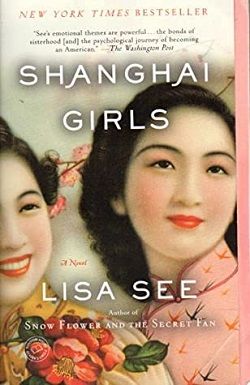
Lisa See's Shanghai Girls is a poignant and richly woven narrative that transports readers to the vibrant yet tumultuous world of 1930s Shanghai, a city that serves as both a backdrop and a character in its own right. The story follows the lives of two sisters, Pearl and May Chin, whose carefree existence is abruptly shattered by the onset of war and familial betrayal. This novel is not just a tale of survival; it is a profound exploration of identity, resilience, and the complexities of sisterhood.
At the heart of the story are the contrasting personalities of Pearl and May. Pearl, the elder sister, embodies strength and determination, often taking on the role of protector. She is described as a Dragon, a symbol of power and ambition in Chinese culture. In contrast, May is the more docile and charming Sheep, whose gentleness often leads her to be overshadowed by Pearl's assertiveness. This dynamic sets the stage for a rich exploration of their relationship as they navigate the challenges that life throws at them. See masterfully develops these characters, allowing readers to witness their growth and transformation as they confront their fears and desires.
The novel opens with a vivid portrayal of Shanghai as the "Paris of Asia," a city teeming with life, culture, and contradictions. See's descriptive prose immerses readers in the sights and sounds of this bustling metropolis, from the opulence of the wealthy to the struggles of the impoverished. The sisters' initial lives are filled with luxury and freedom, but this idyllic existence is shattered when their father reveals that he has gambled away their fortune and must sell them into arranged marriages to repay his debts. This moment serves as a catalyst for the sisters' journey, forcing them to confront not only their father's choices but also their own agency in a world that seeks to define them.
As Pearl and May flee Shanghai amidst the chaos of war, their journey becomes a harrowing odyssey through the Chinese countryside, fraught with danger and uncertainty. The sisters encounter brutal soldiers, face the horrors of war, and grapple with their own identities as they transition from the familiar comforts of home to the unknown challenges of America. This journey is not just physical; it is also emotional and psychological, as they are forced to confront their past and the bonds that tie them together.
Upon arriving in Los Angeles, the sisters find themselves in a new world filled with both promise and peril. Here, they must navigate the complexities of their arranged marriages to strangers, each with their own expectations and cultural baggage. The juxtaposition of their Chinese heritage against the backdrop of American life creates a rich tapestry of conflict and adaptation. See deftly explores themes of cultural identity, assimilation, and the immigrant experience, highlighting the struggles faced by those caught between two worlds.
One of the most compelling aspects of Shanghai Girls is its exploration of the theme of sisterhood. Pearl and May's relationship is tested time and again, yet it is ultimately their bond that provides them with strength. As they face discrimination, societal expectations, and personal challenges, their love for each other becomes a source of resilience. See captures the nuances of sibling relationships, portraying both the tenderness and the tension that can exist between sisters. This theme resonates deeply, making the characters relatable and their struggles poignant.
Moreover, See does not shy away from addressing the harsh realities of life as an immigrant in America. The sisters encounter racism, sexism, and the challenges of maintaining their cultural identity in a society that often marginalizes them. The depiction of Chinatown as both a refuge and a prison underscores the complexities of immigrant life, where the desire for belonging is often at odds with the need for independence. Through Pearl and May's experiences, See sheds light on the broader historical context of Chinese immigration and the societal challenges faced by many during this era.
In terms of character development, See excels in creating multi-dimensional figures who evolve throughout the narrative. Pearl's journey from a headstrong young woman to a more nuanced understanding of her identity and responsibilities is particularly compelling. May, too, undergoes significant growth as she learns to assert herself and navigate her own desires. Their individual arcs are intricately tied to their relationship, illustrating how personal growth can be both a solitary and shared experience.
Overall, Shanghai Girls is a beautifully crafted novel that resonates on multiple levels. Lisa See's ability to blend historical detail with rich character development creates a narrative that is both engaging and thought-provoking. The themes of identity, resilience, and the complexities of family dynamics are woven seamlessly into the fabric of the story, making it a powerful exploration of the immigrant experience and the bonds that define us.
For readers who enjoy historical fiction that delves into the intricacies of culture and personal relationships, Shanghai Girls is a must-read. It stands alongside other notable works such as Amy Tan's The Joy Luck Club and Min Jin Lee's Pachinko, both of which similarly explore the themes of identity, family, and the immigrant experience. Lisa See's novel not only captivates with its storytelling but also leaves a lasting impact, encouraging readers to reflect on their own identities and the ties that bind them to their heritage.



