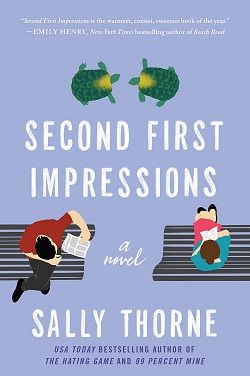
Sally Thorne's Second First Impressions is a delightful romantic comedy that explores themes of self-discovery, the importance of community, and the unexpected ways love can blossom. Set against the backdrop of the Providence Luxury Retirement Villa, the novel introduces us to Ruthie Midona, a dedicated front desk worker who has devoted her life to caring for the elderly residents and maintaining the property. Ruthie's character is relatable and endearing; she embodies the struggle many face when they become so entrenched in their responsibilities that they forget to live for themselves.
Ruthie's life is a blend of routine and responsibility, where her youth and beauty have faded into the background. Thorne paints a vivid picture of her character's internal conflict—she is a woman who has sacrificed her own desires for the sake of others. This theme resonates deeply, especially in a society that often pressures individuals, particularly women, to prioritize caregiving over personal fulfillment. Ruthie's journey toward reclaiming her identity is both poignant and inspiring, making her a character that readers can root for.
Enter Teddy Prescott, the charming yet carefree son of the property developer who has just acquired the retirement home. Teddy's character serves as a foil to Ruthie's; he is initially portrayed as a slacker, someone who has coasted through life without taking it seriously. However, as the story unfolds, we see layers to his character that reveal a deeper yearning for purpose and connection. Thorne expertly crafts Teddy's transformation from a party-loving youth to a responsible adult who finds joy in helping others, particularly the eccentric residents of the villa.
The dynamic between Ruthie and Teddy is electric, filled with witty banter and undeniable chemistry. Their relationship evolves from one of annoyance to mutual respect and attraction, showcasing Thorne's skill in developing romantic tension. The author masterfully balances humor with heartfelt moments, allowing readers to experience the highs and lows of their budding romance. The interactions between Ruthie and Teddy are not just about romantic interest; they also serve as a catalyst for personal growth. Teddy challenges Ruthie to step outside her comfort zone, while Ruthie helps Teddy confront the expectations placed upon him by his father.
One of the standout elements of Second First Impressions is the portrayal of the elderly residents, affectionately referred to as "the Biddies." These two feisty, ninety-year-old women add a delightful layer of humor and chaos to the narrative. Their antics and demands provide comic relief while also highlighting the richness of life at any age. Thorne's ability to infuse humor into the lives of her elderly characters is commendable; she presents them as vibrant individuals with their own desires and quirks, rather than mere caricatures of old age. This representation challenges societal stereotypes about aging and emphasizes the importance of community and connection among all generations.
As the plot progresses, the stakes rise when Ruthie discovers that Teddy's father plans to sell the retirement home, jeopardizing everything she has worked for and the lives of the residents she has come to love. This conflict serves as a pivotal moment in the story, forcing both Ruthie and Teddy to confront their feelings and priorities. Thorne effectively uses this tension to explore the theme of loyalty—loyalty to oneself, to loved ones, and to the community. The resolution of this conflict is both satisfying and realistic, showcasing the characters' growth and the importance of standing up for what truly matters.
Thorne's writing style is engaging and accessible, filled with clever dialogue and vivid descriptions that bring the villa and its inhabitants to life. The pacing of the story is well-balanced, with moments of tension interspersed with lighter, comedic scenes that keep readers invested. The author’s knack for creating relatable characters and situations makes the narrative feel authentic and grounded in reality.
In comparison to Thorne's previous works, such as The Hating Game, Second First Impressions offers a more nuanced exploration of personal growth and the complexities of relationships. While The Hating Game focuses on the enemies-to-lovers trope in a corporate setting, this novel delves into the intricacies of familial expectations, community, and the challenges of adulthood. Both books share Thorne's signature wit and charm, but Second First Impressions stands out for its heartwarming portrayal of aging and the importance of intergenerational connections.
Overall, Second First Impressions is a charming and uplifting read that will resonate with anyone who has ever felt lost in their responsibilities or yearned for a second chance at love and life. Thorne's ability to weave humor, romance, and poignant moments into a cohesive narrative makes this book a must-read. It reminds us that it's never too late to rediscover ourselves and that love can flourish in the most unexpected places. Whether you're a fan of romantic comedies or simply looking for a heartwarming story, this novel is sure to leave you with a smile.



