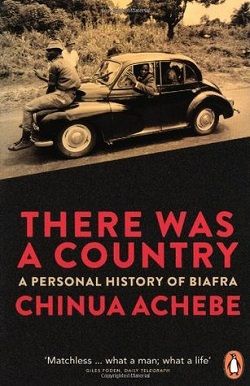
Chinua Achebe's There Was a Country: A Personal History of Biafra is a profound and poignant memoir that delves into the complexities of identity, nationhood, and the harrowing experiences of the Biafran War. As one of Africa's most celebrated authors, Achebe's narrative is not merely a recounting of events but a deeply personal exploration of the impact of war on his life and the lives of his people. This book serves as both a historical document and a reflective memoir, intertwining Achebe's personal experiences with the broader socio-political landscape of Nigeria during a tumultuous period.
The memoir opens with Achebe's early life, providing readers with a glimpse into his upbringing in Nigeria. He paints a vivid picture of a nation on the brink of independence, filled with hope and promise. However, this optimism is soon overshadowed by the rising tensions that would culminate in the Biafran War. Achebe's ability to articulate the fragility of this new nation is striking; he captures the essence of a society grappling with its identity amidst ethnic divisions and colonial legacies. The themes of nationalism and identity resonate throughout the narrative, as Achebe reflects on what it means to belong to a nation that is both his home and a source of conflict.
One of the most compelling aspects of There Was a Country is Achebe's candid portrayal of the war itself. He does not shy away from the brutal realities faced by the Biafran people, including the devastating famine that resulted from the Nigerian government's blockade. Through his eyes, readers witness the suffering, despair, and resilience of a people fighting for survival. Achebe's role as a cultural ambassador during the war adds a unique perspective to his account; he was not only a witness but also an active participant in the struggle for Biafran recognition and support. His reflections on this period are imbued with a sense of urgency and moral responsibility, emphasizing the role of artists in times of conflict. Achebe argues that writers have an obligation to bear witness to history, to speak for those who cannot, and to challenge the narratives imposed by those in power.
The character development in Achebe's memoir is particularly noteworthy. He presents himself not just as a writer but as a husband and father, grappling with the dual responsibilities of protecting his family while advocating for his people. This duality adds depth to his character, making his experiences relatable and human. Achebe's introspection allows readers to see his evolution as a person and as a writer, shaped by the events he lived through. His reflections on the loss of friends, the disintegration of community, and the moral dilemmas faced during the war are heart-wrenching and thought-provoking.
Achebe's prose is lyrical and evocative, blending elements of poetry with prose to create a narrative that is both engaging and profound. His use of language is masterful, as he captures the beauty of his homeland while simultaneously confronting its darkest moments. The imagery he employs serves to heighten the emotional impact of his story, allowing readers to feel the weight of his experiences. This stylistic choice reinforces the idea that art and literature are powerful tools for understanding and processing trauma.
In comparing There Was a Country to other works that explore similar themes, one cannot help but draw parallels with authors like Chimamanda Ngozi Adichie, whose own narratives often grapple with the complexities of Nigerian identity and the impact of war. Adichie's Half of a Yellow Sun offers a fictionalized account of the Biafran War, while Achebe's memoir provides a firsthand perspective that is both personal and historical. Both authors highlight the importance of storytelling in preserving memory and understanding the past, yet Achebe's work stands out for its reflective nature and moral urgency.
The overall impact of There Was a Country is profound. Achebe's memoir serves as a reminder of the enduring scars left by conflict and the importance of acknowledging history. His call for writers to engage with their realities and to speak truth to power resonates deeply in today's world, where the voices of marginalized communities continue to be silenced. Achebe's legacy as a writer and thinker is solidified through this work, as he challenges readers to confront uncomfortable truths and to recognize the humanity in the stories of others.
In conclusion, There Was a Country: A Personal History of Biafra is a powerful testament to Chinua Achebe's literary prowess and moral conviction. It is a book that demands to be read, not only for its historical significance but also for its emotional depth and philosophical insights. Achebe's reflections on war, identity, and the role of the artist in society are as relevant today as they were during the Biafran War. This memoir is a crucial addition to the canon of African literature and a vital contribution to the understanding of Nigeria's complex history.



