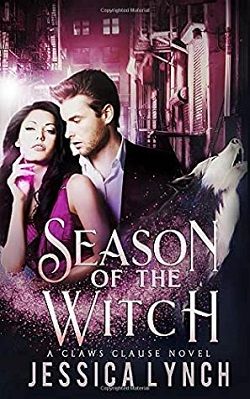
Season of the Witch (Claws Clause 2) by Jessica Lynch is a captivating addition to the paranormal romance genre, seamlessly blending elements of magic, shifter lore, and the complexities of relationships in a world where humans and paranormals coexist. The narrative centers around Colton Wolfe, a wolf shifter with a deep-seated hatred for witches, and Shea Moonshadow, a witch whose healing abilities are overshadowed by her tumultuous family dynamics and her own insecurities. This novel is a rich tapestry of emotions, conflict, and the exploration of love against the backdrop of societal laws that complicate the bond between fated mates.
The story opens with Colton, a character whose internal struggles are palpable. His disdain for witches stems from a traumatic encounter that not only nearly cost him his life but also solidified his belief that their magic is unnatural and dangerous. Lynch does an excellent job of portraying Colton's emotional turmoil; he is a character who is both strong and vulnerable, grappling with his instincts and his prejudices. His journey from hatred to acceptance is not just a personal battle but also a reflection of broader themes of understanding and tolerance. The author skillfully illustrates how Colton's past experiences shape his present, making him a relatable and multi-dimensional character.
On the other hand, Shea is introduced as a healer first, a witch second, which adds depth to her character. Her struggles with her own magical abilities, particularly her tendency for spells to backfire, make her relatable and endearing. Shea's character embodies resilience and compassion, especially in her relationship with her brother Hudson, who is embroiled in dangerous dealings with vampires. This familial bond adds another layer of complexity to the narrative, showcasing the sacrifices Shea makes for those she loves, even when it puts her in perilous situations.
The tension between Colton and Shea is palpable from the outset. Their initial interactions are fraught with animosity, stemming from Colton's prejudices and Shea's determination to prove herself. Lynch masterfully builds this tension, allowing readers to feel the push and pull of their relationship as they navigate their feelings amidst external threats. The chemistry between them is electric, and as they are forced to confront their feelings in the face of danger, the evolution of their relationship becomes one of the novel's highlights.
One of the most compelling aspects of Season of the Witch is its exploration of the Bond Laws, or the Claws Clause, which dictate the terms of relationships between paranormals. This governmental interference in personal lives adds a unique twist to the narrative, raising questions about autonomy, love, and societal expectations. The Bond Laws serve as a metaphor for the constraints that society often places on individuals, particularly in matters of the heart. Lynch uses this framework to explore how love can transcend these barriers, ultimately leading to personal growth and understanding.
The plot thickens as a dangerous group of Nightwalkers threatens both humans and paranormals, forcing Colton and Shea to work together. This external conflict serves as a catalyst for their relationship, pushing them to confront their biases and fears. The stakes are high, and Lynch does an admirable job of balancing the romantic elements with the action and suspense of the overarching plot. The pacing is well-executed, with moments of tension interspersed with tender scenes that allow for character development and emotional resonance.
Moreover, the supporting characters, including Dodge, Colton's ghostly best friend, add humor and depth to the story. Dodge's presence provides comic relief while also serving as a sounding board for Colton's frustrations. The dynamics between the characters are well-crafted, enhancing the overall narrative and providing a richer reading experience.
In terms of themes, Season of the Witch delves into the complexities of love, prejudice, and the journey toward acceptance. It challenges the notion of what it means to be a mate and how societal constructs can influence personal relationships. The novel also touches on the importance of family and the sacrifices one makes for loved ones, as seen through Shea's interactions with her brother. Lynch’s ability to weave these themes into a compelling narrative is commendable, making the story not just a romance but a commentary on broader societal issues.
Overall, Season of the Witch is a well-crafted tale that balances romance, action, and emotional depth. Jessica Lynch has created a world that is both enchanting and relatable, populated by characters that resonate with readers. The evolution of Colton and Shea's relationship is both heartwarming and fraught with tension, making for an engaging read that keeps you turning the pages. For fans of paranormal romance, this book is a must-read, offering a fresh take on the genre while exploring timeless themes of love and acceptance.
In conclusion, if you enjoy stories that feature strong character development, intricate world-building, and a healthy dose of romance intertwined with action, Season of the Witch is sure to captivate your imagination. Jessica Lynch has solidified her place in the realm of paranormal romance with this installment, and readers will undoubtedly be eager for more from the Claws Clause series.



