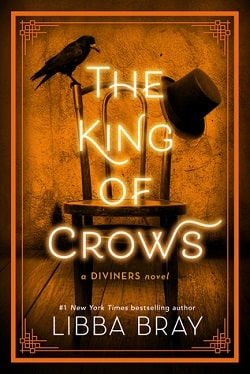
Libba Bray's The King of Crows, the fourth and final installment in the acclaimed The Diviners series, is a masterful blend of supernatural intrigue, historical context, and profound character development. Following the explosive events that left readers reeling in the previous book, Bray plunges us back into the tumultuous world of 1920s New York, where the stakes have never been higher for the Diviners. This finale is not just a conclusion; it is a culmination of themes, character arcs, and the emotional resonance that Bray has meticulously crafted throughout the series.
At the heart of The King of Crows lies the theme of community and sacrifice. The Diviners, a group of gifted individuals, find themselves on the run from the US government and the ominous King of Crows, who threatens to unleash chaos upon the world. Bray deftly explores how the bonds of friendship and loyalty are tested under extreme pressure. Each character faces their own demons, both literal and metaphorical, and it is through their collective strength that they begin to understand the true meaning of unity. The narrative emphasizes that in times of crisis, it is not just individual power that matters, but the ability to come together and fight for a common cause.
The character development in this book is particularly noteworthy. Memphis and Isaiah, who have been central figures throughout the series, are given the opportunity to evolve in ways that feel both organic and impactful. Isaiah’s visions become a pivotal plot device, leading the group to Sarah Beth Olson, a character who embodies hope and resilience. Her introduction adds a fresh dynamic to the story, as she represents the possibility of change and the power of knowledge. Bray's ability to create multi-dimensional characters is evident as each member of the Diviners grapples with their fears and insecurities, ultimately emerging stronger and more self-aware.
Jericho's return is another highlight of the narrative. His escape from Jake Marlowe's estate reveals shocking truths about the King of Crows' plans, and his journey of self-discovery resonates deeply with readers. The tension between Jericho and the other characters adds layers to the story, as they must navigate their past grievances while working towards a common goal. Bray captures the complexity of human relationships, showcasing how love, betrayal, and forgiveness intertwine in the face of adversity.
Bray's world-building continues to impress, as she paints a vivid picture of 1920s America, rife with social issues and cultural shifts. The backdrop of a nation on the brink of war, coupled with the supernatural elements of the Diviners' abilities, creates a rich tapestry that enhances the narrative. The exploration of ghost towns and the dead gaining unprecedented powers serves as a haunting reminder of the consequences of unchecked ambition and the fragility of life. Bray's prose is both lyrical and evocative, immersing readers in a world where the past and present collide in unexpected ways.
Moreover, the book delves into the theme of identity and self-acceptance. Each character's journey is a reflection of their struggle to understand who they are in a world that often seeks to define them by their abilities or societal expectations. This theme resonates particularly well in today's context, where individuals grapple with their identities in a rapidly changing world. Bray's portrayal of these struggles is both relatable and poignant, making the characters' victories feel earned and meaningful.
The pacing of The King of Crows is expertly handled, with a balance of action, suspense, and emotional depth. The stakes are raised with each chapter, and Bray's ability to weave multiple plotlines together is commendable. The tension builds to a thrilling climax that is both satisfying and thought-provoking. Readers will find themselves on the edge of their seats, eager to discover how the Diviners will confront their greatest fears and ultimately save their world.
In comparison to other series that blend historical fiction with supernatural elements, such as The Raven Cycle by Maggie Stiefvater or The Beautiful by Renée Ahdieh, Bray's work stands out for its rich character development and intricate plot. While both series offer compelling narratives, Bray's focus on the emotional and psychological growth of her characters sets The Diviners apart. The depth of her characters makes their struggles and triumphs resonate on a personal level, allowing readers to connect with them in a profound way.
In conclusion, The King of Crows is a breathtaking finale that encapsulates the essence of what made The Diviners series so beloved. Libba Bray has crafted a narrative that is not only thrilling and suspenseful but also deeply moving. The themes of community, sacrifice, and self-acceptance are woven seamlessly into the fabric of the story, leaving readers with a sense of hope and empowerment. As the Diviners confront their greatest challenges, they remind us of the strength found in unity and the importance of standing up for what is right. This book is a must-read for fans of the series and newcomers alike, as it offers a rich and rewarding experience that lingers long after the final page is turned.



