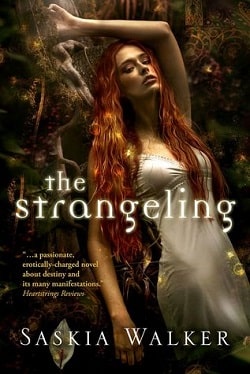
Saskia Walker's The Strangling transports readers to a richly imagined world where magic, desire, and destiny intertwine in a tale that is as captivating as it is complex. Set against the backdrop of an ancient land steeped in lore, the story follows Maerose of Riversbend, a gifted maiden whose life is about to change irrevocably as the dark night of Samhain approaches.
From the outset, Walker establishes a sense of foreboding and urgency. Maerose is not just a passive character; she is imbued with a unique power that makes her a coveted prize in a world where dark forces threaten to rise. The narrative is driven by her journey of self-discovery, as she grapples with her identity and the immense responsibility that comes with her abilities. The author skillfully weaves themes of empowerment, choice, and sacrifice throughout the story, making Maerose a relatable and compelling protagonist.
One of the most striking aspects of The Strangling is its exploration of the duality of power. Maerose's journey is not merely about harnessing her magical abilities; it is also about understanding the implications of that power. The tension between her desire for autonomy and the expectations placed upon her creates a rich emotional landscape. Walker deftly illustrates this struggle through Maerose's interactions with the two central male figures in her life: Bron and Veldor. Each man represents different facets of masculinity and power, and their relationships with Maerose are fraught with complexity.
Bron, the mysterious elder who initially rescues Maerose, embodies a protective yet possessive nature. His intentions, while seemingly noble, often blur the lines of consent and autonomy. This dynamic raises important questions about the nature of love and control, inviting readers to reflect on the implications of such relationships. In contrast, Veldor represents a more liberated and passionate approach to love, offering Maerose a chance to embrace her sensuality without the constraints of obligation. The tension between these two suitors serves as a microcosm for Maerose's internal conflict, making her ultimate choice all the more poignant.
Walker’s prose is lush and evocative, painting vivid imagery that immerses readers in the magical world of Riversbend. The author’s attention to detail enhances the atmosphere, making the setting feel alive with the whispers of ancient spirits and the palpable energy of impending change. The rituals and customs surrounding Samhain are intricately woven into the narrative, adding depth to the story and grounding it in a sense of cultural authenticity.
As the story unfolds, the stakes escalate, culminating in a dramatic confrontation that tests Maerose’s resolve and the bonds she has formed. The climax is not just a battle against external forces but also an internal reckoning for Maerose. Walker masterfully balances action with introspection, allowing readers to witness Maerose’s growth as she embraces her destiny. The resolution is both satisfying and thought-provoking, leaving readers to ponder the nature of sacrifice and the true meaning of love.
In terms of character development, Walker excels in creating multi-dimensional figures who evolve throughout the narrative. Maerose’s transformation from a naive maiden to a powerful force in her own right is skillfully portrayed, making her journey resonate on a personal level. The supporting characters, particularly Bron and Veldor, are equally well-developed, each bringing their own motivations and complexities to the story. This depth adds layers to the narrative, making it more than just a tale of romance and magic.
Comparatively, The Strangling shares thematic elements with works like A Court of Thorns and Roses by Sarah J. Maas and The Witch’s Heart by Genevieve Gornichec. Both of these novels explore the intersection of love, power, and destiny within a fantastical framework. However, Walker’s narrative stands out for its nuanced portrayal of consent and the intricacies of relationships, making it a refreshing addition to the genre.
Overall, The Strangling is a compelling read that deftly combines elements of fantasy, romance, and self-discovery. Saskia Walker has crafted a narrative that not only entertains but also challenges readers to reflect on the nature of power and the choices we make in the name of love. With its rich world-building, complex characters, and thought-provoking themes, this book is sure to resonate with fans of fantasy and romance alike.
In conclusion, if you are seeking a story that delves into the depths of magic, desire, and the struggle for autonomy, The Strangling is a must-read. Walker’s ability to weave intricate plots with emotional depth makes this novel a standout in contemporary fantasy literature.



