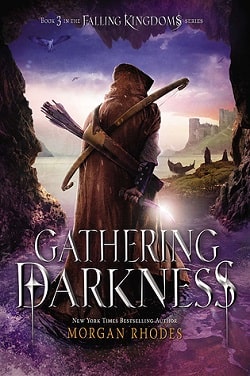
Gathering Darkness, the third installment in Morgan Rhodes' acclaimed Falling Kingdoms series, plunges readers deeper into the tumultuous world of Mytica, where magic, power, and betrayal intertwine in a gripping narrative. As the stakes escalate, Rhodes masterfully weaves a tale that is as intricate as it is compelling, showcasing her ability to create a richly developed fantasy landscape filled with morally complex characters.
At the heart of Gathering Darkness is the quest for the Kindred, four elemental crystals that bestow godlike powers upon their possessor. This central plot device serves not only as a catalyst for the characters' actions but also as a symbol of the broader themes of ambition, loyalty, and the corrupting nature of power. Each faction—the ruthless King Gaius, the cunning Kraeshian siblings Ashur and Amara, and the determined rebels led by Princess Cleo and Jonas—embodies different facets of these themes, creating a multifaceted exploration of what it means to seek power and control.
Prince Magnus, who has been a complex character since the series' inception, finds himself at a moral crossroads. Witnessing the brutal realities of his father's reign, he grapples with his loyalty to family versus his burgeoning sense of justice. Rhodes does an exceptional job of portraying Magnus's internal conflict, allowing readers to empathize with his struggles. His character development is one of the highlights of the book, as he evolves from a pawn in his father's game to a player in his own right, questioning the very foundations of his upbringing.
In contrast, the Kraeshian siblings, Ashur and Amara, introduce a new level of intrigue and ruthlessness to the narrative. Their charm and manipulation are captivating, and Rhodes effectively contrasts their ambition with the more noble intentions of the rebels. This duality enriches the story, as readers are constantly reminded that not all who seek power do so for altruistic reasons. The Kraeshian's cunning tactics and willingness to do whatever it takes to secure the Kindred make them formidable adversaries, raising the tension throughout the novel.
Meanwhile, Princess Cleo and Jonas represent the heart of the rebellion, embodying hope and resilience in the face of overwhelming odds. Their journey is not just about reclaiming their kingdoms but also about personal growth and the forging of alliances. Cleo's evolution from a sheltered princess to a fierce leader is particularly well-executed, as she learns to wield her own power and confront her past. Jonas, driven by vengeance, adds a layer of complexity to their partnership, as his motivations often clash with Cleo's ideals. Their dynamic is both compelling and relatable, making their struggles resonate with readers.
Rhodes also introduces Melenia and the Watchers, who add another layer of complexity to the narrative. Their alliance with King Gaius raises questions about loyalty and the lengths one will go to achieve their goals. The interplay between these factions creates a rich tapestry of conflict and intrigue, keeping readers on the edge of their seats as alliances shift and betrayals unfold.
Thematically, Gathering Darkness delves into the nature of power and its consequences. Rhodes does not shy away from depicting the darker aspects of ambition, showcasing how the pursuit of power can lead to destruction and moral decay. This exploration is particularly relevant in today's world, where the quest for power often comes at a great cost. The characters' journeys serve as a reflection of this reality, making the story not just a fantasy adventure but also a commentary on human nature.
Moreover, the pacing of the novel is expertly handled. Rhodes balances action-packed sequences with moments of introspection, allowing readers to digest the emotional weight of the characters' decisions. The world-building is equally impressive, with vivid descriptions that bring Mytica to life. From the opulence of the Kraeshian court to the gritty reality of the rebels' struggles, Rhodes creates a setting that feels both expansive and intimate.
In comparison to other fantasy series, such as A Court of Thorns and Roses by Sarah J. Maas or The Grisha Trilogy by Leigh Bardugo, Gathering Darkness stands out for its intricate plotting and character depth. While Maas and Bardugo also explore themes of power and identity, Rhodes' approach is marked by a darker tone and a more complex moral landscape. The characters in Falling Kingdoms are not easily categorized as heroes or villains; instead, they exist in a gray area that makes their journeys all the more compelling.
Overall, Gathering Darkness is a thrilling continuation of the Falling Kingdoms series that will leave readers eagerly anticipating the next installment. Morgan Rhodes has crafted a narrative that is rich in character development, thematic depth, and suspenseful plotting. As the characters navigate their intertwined fates in a world rife with danger and deception, readers are treated to a story that is both entertaining and thought-provoking. This book is a must-read for fans of fantasy who appreciate complex characters and intricate world-building.



