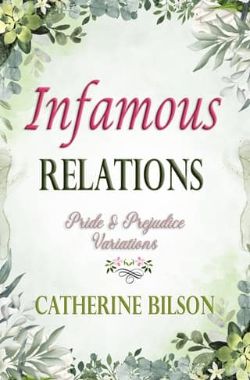
"Infamous Relations" by Catherine Bilson is a bold and daring reimagining of Jane Austen's classic "Pride and Prejudice." This variation takes the beloved characters into uncharted territory, exploring themes of trauma, recovery, and the power of community support. Bilson's novel is not for the faint of heart, as it delves into dark and challenging subject matter, but it is also a testament to resilience and the enduring nature of love.
At the heart of "Infamous Relations" is Elizabeth Bennet, a character who has long been cherished for her wit and independence. Bilson retains these qualities while adding layers of complexity as Elizabeth faces an unimaginable ordeal. The novel begins with a shocking event—an attack by her cousin, Mr. Collins, which sets the stage for a narrative that is both harrowing and hopeful. Elizabeth's journey to reclaim her life and dignity is portrayed with sensitivity and depth, making her a more nuanced and compelling character.
One of the most striking aspects of Bilson's writing is her ability to balance the gravity of the situation with moments of levity and warmth. The novel does not shy away from the emotional and physical ramifications of trauma, yet it also highlights the importance of friendship and love in the healing process. Mr. Darcy, Colonel Fitzwilliam, Charlotte, and Jane emerge as steadfast allies, each contributing to Elizabeth's recovery in their unique ways. Their collective efforts underscore the theme of community support, illustrating how bonds of friendship and family can provide strength in times of crisis.
Mr. Darcy, in particular, undergoes significant development in "Infamous Relations." Initially perceived as proud and aloof, Darcy's character is peeled back to reveal a man of deep compassion and integrity. His evolving relationship with Elizabeth is central to the narrative, offering a fresh take on their dynamic. As Elizabeth learns to trust and rely on Darcy, the novel explores the transformative power of love and understanding. Bilson skillfully navigates their journey from misunderstanding to mutual respect and affection, making their eventual union all the more satisfying.
The writing style in "Infamous Relations" is both evocative and accessible. Bilson captures the essence of Austen's period language while infusing it with her own voice, creating a seamless blend of classic and contemporary. The dialogue is sharp and engaging, often laced with humor that provides relief from the darker elements of the story. This balance is crucial, as it allows the reader to remain invested in the characters' struggles without becoming overwhelmed by the narrative's intensity.
Emotionally, "Infamous Relations" is a rollercoaster. The initial shock and horror of Elizabeth's attack are palpable, and Bilson does not shy away from depicting the raw emotions that follow. However, the novel is ultimately uplifting, as it charts Elizabeth's path to healing and empowerment. The support she receives from her friends and family is heartening, and the gradual rebuilding of her relationship with Darcy is portrayed with tenderness and care. Readers will find themselves rooting for Elizabeth and Darcy, eager to see them overcome their obstacles and find happiness together.
In comparison to other works in the genre of Pride and Prejudice variations, "Infamous Relations" stands out for its willingness to tackle difficult topics. While many adaptations focus on romantic entanglements and social commentary, Bilson's novel delves into the darker aspects of human nature and the resilience required to overcome them. This approach may not appeal to all readers, particularly those who prefer lighter fare, but it offers a fresh perspective on familiar characters and themes.
Overall, "Infamous Relations" by Catherine Bilson is a compelling and thought-provoking addition to the world of Pride and Prejudice adaptations. It challenges readers to consider the complexities of trauma and recovery while celebrating the enduring power of love and friendship. Bilson's novel is a testament to the strength of the human spirit, making it a must-read for fans of Austen and those who appreciate stories of resilience and redemption. While the subject matter may be difficult, the emotional payoff is well worth the journey, leaving readers with a renewed appreciation for the intricacies of Austen's characters and the timeless themes they embody.



