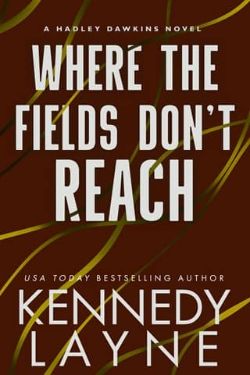
Kennedy Layne's "Where the Fields Don’t Reach" is a gripping exploration of secrets, redemption, and the haunting shadows of the past. Set in the atmospheric Cane County, this novel delves into the complexities of returning home to face the ghosts one thought were left behind. Layne crafts a narrative that is as much about the characters' internal landscapes as it is about the external mysteries they must unravel.
The central theme of the novel is the inescapable nature of the past. Hadley Dawkins, the protagonist, embodies this theme as she returns to her hometown, a place she never intended to revisit. Her journey is not just a physical return but an emotional and psychological confrontation with her history. The death of Reed Langley, a man she once loved, serves as a catalyst for her return, intertwining her personal quest for closure with a broader investigation into his murder. Layne skillfully uses Hadley's story to explore how deeply buried secrets can shape and sometimes distort the present.
Character development is one of the novel's strongest aspects. Hadley is a well-drawn character, full of contradictions and complexities. Her reluctance to return home is palpable, yet her determination to uncover the truth about Reed's death and her brother Mason's wrongful imprisonment drives the narrative forward. Mason's character is equally compelling; his release from prison after nearly two decades presents a nuanced portrayal of a man grappling with newfound freedom and the lingering stigma of his past. The relationship between Hadley and Mason is fraught with tension and unspoken emotions, capturing the reader's attention as they navigate their strained sibling bond.
Layne's writing style is both evocative and precise, painting a vivid picture of Cane County. The setting itself becomes a character, with its oppressive heat and sprawling fields serving as a backdrop to the unfolding drama. The author's use of language is deliberate, creating a sense of foreboding that permeates the novel. The imagery of roots and trees is particularly effective, symbolizing the deep-seated secrets and the potential for upheaval when they are unearthed. This metaphor is woven seamlessly throughout the narrative, reinforcing the novel's central themes.
The emotional impact of "Where the Fields Don’t Reach" is significant. Layne captures the reader's empathy through her characters' struggles and the moral ambiguities they face. The tension between justice and revenge, truth and deception, is palpable, making the reader question the nature of right and wrong. The novel's exploration of these themes is reminiscent of works by authors like Gillian Flynn and Tana French, who similarly delve into the darker aspects of human nature and the complexities of small-town life.
One of the novel's most intriguing elements is the presence of the Threshing Man, a local legend that adds a layer of folklore and mystique to the story. This figure serves as a metaphor for the unseen forces that influence the characters' lives, waiting patiently for them to confront their fears and secrets. Layne's incorporation of this element adds depth to the narrative, blurring the lines between reality and myth, and enhancing the novel's suspenseful atmosphere.
While "Where the Fields Don’t Reach" is firmly rooted in the mystery and thriller genres, it also offers a poignant exploration of family dynamics and personal redemption. Hadley's journey is not just about solving a murder but also about reconciling with her past and finding a sense of belonging in a place she once rejected. This dual narrative arc provides a rich tapestry for readers to explore, making the novel both intellectually and emotionally satisfying.
In conclusion, Kennedy Layne's "Where the Fields Don’t Reach" is a masterful blend of mystery, drama, and emotional depth. The novel's intricate plot, well-developed characters, and evocative setting make it a compelling read for fans of the genre. Layne's ability to weave together themes of past and present, truth and deception, ensures that the story resonates long after the final page is turned. For those seeking a thought-provoking and atmospheric thriller, this book is a must-read, offering a haunting reminder of the secrets that bind us and the courage required to face them.



