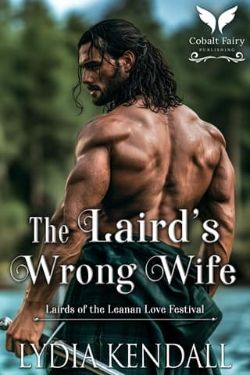
Lydia Kendall's "The Laird’s Wrong Wife" is a captivating historical romance that weaves together themes of mistaken identity, love, and redemption. Set against the rugged backdrop of the Scottish Highlands, the novel invites readers into a world where tradition and personal desires often clash, creating a rich tapestry of emotional and narrative complexity.
The story begins with Ceana, a determined young woman who takes her sister's place at the Leanan Festival, only to be kidnapped by Laird Oscar. This initial twist sets the stage for a tale that explores the consequences of choices made in desperation. Ceana's decision to protect her sister leads her into the hands of a man who is both her captor and, unexpectedly, her protector. The dynamic between Ceana and Oscar is central to the novel, driving much of the tension and development throughout the story.
One of the most compelling aspects of Kendall's writing is her ability to craft complex characters who defy simple categorization. Ceana is not merely a damsel in distress; she is a strong-willed and intelligent woman who challenges Oscar's authority at every turn. Her resilience and wit make her an engaging protagonist, and her interactions with Oscar are charged with both conflict and chemistry. Oscar, on the other hand, is a character who embodies the duality of strength and vulnerability. As a laird, he is accustomed to command, yet his role as a father reveals a softer, more compassionate side. His internal struggle to reconcile these aspects of his identity adds depth to his character and makes his journey toward love and acceptance all the more poignant.
The theme of mistaken identity is skillfully employed by Kendall to explore broader questions of identity and self-discovery. Ceana's initial deception forces both her and Oscar to confront their preconceived notions about each other and themselves. This journey of self-discovery is mirrored in their evolving relationship, which shifts from one of animosity to mutual respect and, ultimately, love. The transformation of their relationship is a testament to Kendall's nuanced character development and her ability to portray the complexities of human emotion.
Kendall's writing style is both evocative and accessible, drawing readers into the lush, atmospheric world of the Scottish Highlands. Her descriptive prose vividly captures the rugged beauty of the landscape, serving as a fitting backdrop for the intense emotional drama that unfolds. The dialogue is sharp and often laced with humor, providing moments of levity that balance the novel's more serious themes. Kendall's ability to blend romance with elements of suspense and humor is reminiscent of authors like Julia Quinn and Lisa Kleypas, making "The Laird’s Wrong Wife" a must-read for fans of historical romance.
The emotional impact of the novel is heightened by Kendall's exploration of themes such as family, loyalty, and the power of love to heal past wounds. Ceana's relationship with Oscar's children is particularly touching, showcasing her nurturing nature and her ability to connect with others on a deep, emotional level. These interactions not only endear her to the reader but also serve as a catalyst for Oscar's transformation. Through Ceana's influence, Oscar learns to open his heart and embrace the possibility of love and happiness.
In conclusion, Lydia Kendall's "The Laird’s Wrong Wife" is a beautifully crafted tale that combines romance, adventure, and emotional depth. The novel's strong character development, engaging plot, and evocative setting make it a standout in the historical romance genre. Readers who appreciate stories of love overcoming adversity will find much to enjoy in this book. Kendall's skillful storytelling ensures that "The Laird’s Wrong Wife" is not only a delightful read but also a thought-provoking exploration of identity, love, and redemption.



