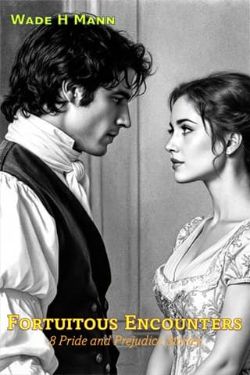
Wade H. Mann’s Fortuitous Encounters is a delightful exploration of the classic world of Jane Austen through the lens of "what if." This collection of eight variations on the beloved tale of Elizabeth Bennet and Mr. Darcy invites readers to ponder how small shifts in their interactions could lead to dramatically different outcomes. The book is a fascinating addition to the genre of Austen-inspired fiction, offering both fresh perspectives and a deep appreciation for the original material.
One of the most compelling aspects of Fortuitous Encounters is its exploration of themes of fate and choice. Each story hinges on a pivotal moment where a character makes a different decision or where fortune intervenes in unexpected ways. This theme is particularly resonant in stories like "Shall We Dance," where Elizabeth Bennet takes a bold approach at the Meryton Assembly, and "Sign Here," which presents a darker, more assertive Mr. Bennet. These variations highlight the delicate balance between destiny and agency, a recurring motif in Austen’s work, but with a modern twist that Mann handles adeptly.
The character development in Mann’s stories is both respectful of Austen’s original creations and innovative in its deviations. Elizabeth Bennet remains the intelligent and spirited heroine we know, but in these stories, she often takes on a more proactive role. For instance, in "Elizabeth Bennet’s Wager," her reaction to the Hunsford Proposal is both unexpected and delightful, showcasing her wit and resilience. Similarly, Mr. Darcy is portrayed with a complexity that honors his original character while allowing for new dimensions, particularly in stories like "The First Obstacle," where his vulnerability is more pronounced.
Mann’s writing style is engaging and accessible, capturing the essence of Austen’s voice while infusing it with his own flair. His prose is elegant yet straightforward, making the stories easy to follow while still rich with detail. The dialogue is particularly well-crafted, maintaining the period-appropriate tone that fans of Austen will appreciate. Mann’s ability to weave humor and tension into his narratives is reminiscent of other contemporary authors in the genre, such as Jo Baker and P.D. James, who have also successfully ventured into Austen-inspired fiction.
The emotional impact of Fortuitous Encounters is significant, as each story invites readers to invest in the characters’ journeys anew. The tension in "Fair Warning," where Elizabeth receives a mysterious heads-up about an impending proposal, is palpable and keeps readers on the edge of their seats. Meanwhile, "Men and Boys" offers a more introspective look at the aftermath of Lydia’s wedding, providing a poignant exploration of family dynamics and personal growth. These stories evoke a range of emotions, from amusement to empathy, ensuring that readers remain engaged throughout.
In terms of comparisons, Mann’s work stands out in the realm of Austen variations for its creativity and depth. While other authors have explored similar "what if" scenarios, Mann’s stories are distinguished by their attention to character detail and thematic exploration. His ability to balance respect for the source material with inventive storytelling is reminiscent of works like Longbourn by Jo Baker, which also offers a fresh perspective on Austen’s world.
Overall, Fortuitous Encounters by Wade H. Mann is a must-read for fans of Jane Austen and those who enjoy historical fiction with a twist. The book’s exploration of fate, choice, and character development offers a rich and rewarding reading experience. Mann’s skillful writing and imaginative storytelling breathe new life into familiar characters, making this collection a standout in the genre. Whether you are a long-time admirer of Austen’s work or new to her world, Fortuitous Encounters promises to be both a thought-provoking and entertaining read.



