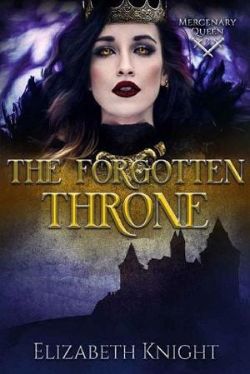
Elizabeth Knight's The Forgotten Throne is a captivating journey into a world where fantasy, intrigue, and destiny intertwine. Set against the backdrop of a richly imagined universe, the novel explores themes of power, loyalty, and the burden of leadership. As a work of fantasy, it stands out for its intricate world-building and the depth of its characters, particularly the protagonist, Cassarah.
At the heart of The Forgotten Throne is Cassarah's quest to reclaim her rightful place and protect her people from the looming threat of the Lost King. The narrative begins with a sense of urgency, as Cassarah is forced to make a daring escape to Sheca, a land shrouded in mystery and forgotten by time. This journey is not just a physical one but also a metaphorical exploration of identity and heritage. Knight masterfully weaves Cassarah's personal growth with the broader political and magical elements of the story, creating a tapestry that is both engaging and thought-provoking.
The character development in The Forgotten Throne is one of its strongest aspects. Cassarah is portrayed as a complex and relatable heroine, grappling with the weight of prophecy and the expectations of those around her. Her evolution from a determined leader to a figure of mythic proportions is handled with nuance and care. The supporting characters, particularly Vasin and the mercenaries, are given ample space to grow, adding layers to the narrative. Their relationships with Cassarah are depicted with emotional depth, highlighting themes of trust and camaraderie.
Elizabeth Knight's writing style is both evocative and accessible, striking a balance between lush descriptions and brisk pacing. Her ability to paint vivid scenes without overwhelming the reader is reminiscent of authors like Robin Hobb and Brandon Sanderson. The prose flows effortlessly, drawing readers into the world of Norden Castle and Sheca with ease. Knight's attention to detail in crafting the lore and history of her world adds a layer of authenticity that fantasy enthusiasts will appreciate.
Emotionally, The Forgotten Throne delivers a powerful impact. The stakes are high, and the tension is palpable as Cassarah faces seemingly insurmountable challenges. Knight does not shy away from exploring the darker aspects of leadership, such as the sacrifices and difficult decisions that come with it. This exploration of the human condition is what elevates the novel beyond a simple fantasy adventure, making it a compelling read for those who enjoy character-driven stories.
The themes of destiny and self-discovery are central to the narrative, with Cassarah's journey serving as a vehicle for exploring these ideas. The prophecy that looms over her is both a blessing and a curse, and Knight deftly examines the conflict between fate and free will. This thematic depth is reminiscent of works like J.R.R. Tolkien's The Lord of the Rings, where characters must navigate their roles in a larger cosmic plan.
In terms of genre, The Forgotten Throne fits comfortably within the realm of epic fantasy, yet it distinguishes itself through its focus on personal growth and the intricacies of leadership. Readers who enjoy the works of authors like Sarah J. Maas or Patrick Rothfuss will find much to appreciate in Knight's storytelling. The novel's blend of action, mystery, and emotional resonance makes it a standout in the fantasy genre.
Overall, Elizabeth Knight's The Forgotten Throne is a triumph of fantasy literature. It offers a rich and immersive experience, with a narrative that is as thought-provoking as it is entertaining. The book's exploration of themes such as power, destiny, and identity, combined with its well-drawn characters and engaging plot, make it a must-read for fans of the genre. Knight has crafted a tale that is both timeless and timely, reminding readers of the enduring power of stories to illuminate the human experience.



