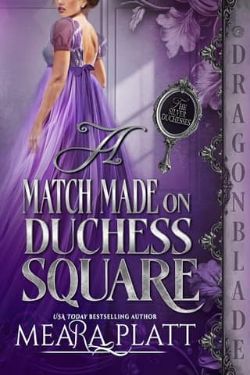
Meara Platt's "A Match Made On Duchess Square" is a charming addition to the historical romance genre, offering readers a delightful blend of romance, wit, and societal intrigue. Set against the elegant backdrop of Regency-era Mayfair, this novel is a spin-off from Platt's popular Silver Dukes series, focusing on the lives and loves of the Silver Duchesses. In this installment, the spotlight is on Lady Gwendolyn Carstairs, a renowned matchmaker, and James Milbury, the Marquess of Milbury, a widower in search of a new wife.
Platt expertly crafts a narrative that explores the complexities of love and duty, particularly within the confines of Regency society. The central theme of the novel revolves around the idea of finding love in unexpected places. James Milbury's quest for a suitable wife to help raise his two sons is complicated by his growing affection for Gwendolyn, the very woman he has hired to find him a match. This creates a compelling tension throughout the story, as James grapples with his feelings and the societal expectations that dictate his actions.
Character development is a strong suit of Platt's writing. Gwendolyn Carstairs is portrayed as a strong, independent woman who defies the typical constraints placed on women of her time. Her reputation as a successful matchmaker is well-earned, and her intelligence and wit shine through in her interactions with James and the various suitors she presents to him. Gwendolyn's journey from a woman resigned to a life of spinsterhood to someone who dares to dream of love for herself is both touching and inspiring.
James Milbury, on the other hand, is a character torn between duty and desire. As a widower, his primary concern is the well-being of his sons, yet his heart leads him in a different direction. Platt does an excellent job of portraying his internal struggle, making him a sympathetic and relatable character. His interactions with Gwendolyn are filled with a mix of humor, tenderness, and longing, which adds depth to their burgeoning romance.
The writing style in "A Match Made On Duchess Square" is both elegant and accessible, capturing the essence of the Regency period while remaining engaging for modern readers. Platt's use of dialogue is particularly noteworthy, as it effectively conveys the social nuances and wit characteristic of the era. The banter between James and Gwendolyn is sharp and entertaining, reminiscent of the repartee found in the works of Jane Austen or Georgette Heyer.
Emotionally, the novel resonates with readers through its exploration of love, loss, and the courage to pursue one's heart's desires. The relationship between James and his sons adds a layer of emotional depth to the story, as it highlights the importance of family and the lengths to which one will go to ensure their happiness. The boys' antics provide moments of levity, balancing the more serious themes of the narrative.
In comparison to other works in the historical romance genre, Platt's novel stands out for its strong characterizations and the authenticity of its setting. While it shares thematic similarities with other Regency romances, such as the tension between societal expectations and personal desires, "A Match Made On Duchess Square" offers a fresh perspective through its focus on a female matchmaker and her unexpected journey to love.
Overall, Meara Platt has crafted a compelling and heartwarming story that will appeal to fans of historical romance and those who appreciate well-developed characters and engaging narratives. "A Match Made On Duchess Square" is a testament to the enduring appeal of Regency romances, offering readers a delightful escape into a world of elegance, wit, and unexpected love. Whether you are a longtime fan of Platt's work or new to her writing, this novel is sure to captivate and entertain, leaving you eagerly anticipating the next installment in the series.



