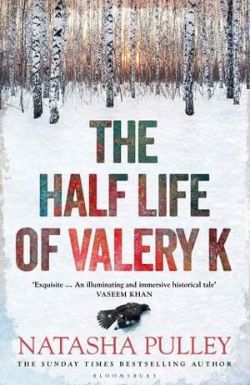
Natasha Pulley's novel, The Half Life of Valery K, is a captivating exploration of survival, mystery, and the human spirit set against the stark backdrop of a Soviet-era gulag and a secretive nuclear town. This historical fiction piece, inspired by real events, deftly combines elements of suspense and psychological drama, drawing readers into a world where the line between scientific curiosity and moral obligation is blurred.
At the heart of the story is Valery Kolkhanov, a former nuclear specialist whose life is upended when he is unexpectedly transferred from a Siberian gulag to the enigmatic City 40. Pulley masterfully crafts Valery's character, portraying him as a man shaped by hardship, yet driven by an insatiable quest for knowledge. His development throughout the novel is both profound and relatable, as he navigates the complexities of his new environment while grappling with the ethical dilemmas posed by his work.
Valery's journey is not just one of physical relocation but also of internal transformation. Initially, he is portrayed as a survivor, someone who has learned to adapt to the harsh realities of gulag life. However, as he delves deeper into the mysteries of City 40, he evolves into a more nuanced character, one who must reconcile his past with the present and decide what kind of future he wants to fight for. This evolution is depicted with subtlety and depth, making Valery a compelling protagonist whose struggles resonate with readers.
The themes of The Half Life of Valery K are intricately woven into the narrative, providing a rich tapestry that explores the intersection of science, ethics, and power. Pulley raises poignant questions about the cost of scientific advancement and the moral responsibilities of those who pursue it. The novel's setting in a secretive Soviet city amplifies these themes, as the oppressive atmosphere and pervasive secrecy mirror the internal conflicts faced by the characters.
One of the most striking aspects of the novel is Pulley's writing style, which is both lyrical and precise. Her prose captures the bleakness of the Siberian landscape and the eerie atmosphere of City 40 with vivid imagery and emotional resonance. The author’s ability to blend historical detail with imaginative storytelling is reminiscent of works by authors like Anthony Doerr and Kate Atkinson, who similarly excel in creating immersive historical narratives.
Pulley's attention to detail extends to her portrayal of the supporting characters, each of whom adds depth and complexity to the story. The relationships Valery forms with these characters, particularly his interactions with his university mentor and the residents of City 40, are intricately developed and serve to highlight the novel's central themes. These interactions also provide moments of tension and intrigue, as alliances shift and hidden motives are revealed.
The emotional impact of The Half Life of Valery K is profound, as Pulley skillfully balances moments of suspense with introspective reflection. Readers are drawn into Valery's world, experiencing his fears, hopes, and moral quandaries alongside him. The novel's pacing is deliberate, allowing for a gradual build-up of tension that culminates in a gripping climax. This careful pacing ensures that the emotional stakes remain high throughout, keeping readers engaged and invested in the outcome.
In comparison to other works in the historical fiction genre, The Half Life of Valery K stands out for its unique setting and the way it intertwines scientific inquiry with personal and political intrigue. Pulley's ability to create a sense of place and time is reminiscent of Hilary Mantel's work, while her exploration of ethical dilemmas echoes themes found in novels by Kazuo Ishiguro. Yet, Pulley's distinctive voice and narrative style ensure that this novel is a fresh and original contribution to the genre.
Overall, The Half Life of Valery K by Natasha Pulley is a thought-provoking and emotionally resonant novel that will appeal to fans of historical fiction and those interested in stories that delve into the complexities of human nature. Pulley's skillful storytelling and nuanced character development make this a compelling read that lingers in the mind long after the final page is turned. Whether you are drawn to tales of survival, mystery, or moral exploration, this novel offers a rich and rewarding experience that is not to be missed.



