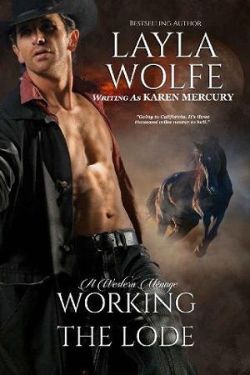
Layla Wolfe's "Working the Lode" is a gripping tale set against the backdrop of California's Gold Rush, a period teeming with both opportunity and peril. The novel weaves together the lives of three distinct characters: Cormack Bowmaker, Zelnora Sparks, and Joaquin Valenzuela, each driven by their own desires and haunted by their pasts. Wolfe's narrative is a rich tapestry of adventure, romance, and self-discovery, making it a compelling read for fans of historical fiction and Westerns.
At the heart of "Working the Lode" is the theme of self-discovery. As the characters journey through the rugged frontier, they are not only in search of gold but also a deeper understanding of themselves. Cormack Bowmaker, a mountain man with a sharpshooter's aim, embodies the rugged individualism of the era. His character is reminiscent of the stoic heroes found in classic Westerns, yet Wolfe adds layers of complexity by exploring his internal struggles and vulnerabilities. As he navigates the treacherous landscape, both physical and emotional, readers witness his transformation from a solitary figure to someone capable of deep connection and loyalty.
Zelnora Sparks is a refreshing and dynamic character who defies the conventional roles often assigned to women in historical narratives. Her knowledge of where to find gold positions her as a pivotal figure in the story, and her independence and resilience are reminiscent of strong female protagonists in literature, such as those found in the works of Philippa Gregory. Zelnora's journey is one of empowerment, as she flees from the oppressive control of her mentor, Brannagh, and seeks to carve out her own destiny. Wolfe's portrayal of Zelnora is both nuanced and empowering, making her a standout character in the novel.
Joaquin Valenzuela, the notorious Spanish bandit, adds an element of danger and unpredictability to the narrative. Initially introduced as a threat, his character evolves as he becomes entangled with Cormack and Zelnora. Wolfe skillfully explores his internal conflict between his outlaw instincts and his burgeoning desire for something more meaningful. Valenzuela's transformation is a testament to Wolfe's ability to craft multidimensional characters who defy simple categorization. His passion and complexity are reminiscent of anti-heroes found in the works of Cormac McCarthy, adding depth to the novel's exploration of morality and redemption.
The writing style in "Working the Lode" is both vivid and evocative, capturing the harsh beauty of the frontier landscape. Wolfe's prose is rich with descriptive detail, immersing readers in the sights, sounds, and smells of the Gold Rush era. Her ability to create a palpable sense of place is one of the novel's strengths, drawing readers into the world she has meticulously crafted. The dialogue is sharp and authentic, reflecting the diverse backgrounds of the characters and adding to the novel's overall authenticity.
Emotionally, "Working the Lode" resonates on multiple levels. The characters' quests for love, wealth, and freedom are universal themes that will appeal to a broad audience. Wolfe deftly balances moments of tension and tenderness, creating a narrative that is both thrilling and heartfelt. The relationships between the characters are complex and evolving, providing a rich emotional landscape for readers to explore. The novel's exploration of themes such as greed, loyalty, and the search for identity adds depth and resonance, making it more than just a tale of adventure.
In comparison to other works in the historical fiction and Western genres, "Working the Lode" stands out for its character-driven narrative and its exploration of the human condition. Wolfe's ability to blend action with introspection is reminiscent of Larry McMurtry's "Lonesome Dove," while her focus on strong, independent female characters aligns with the works of authors like Diana Gabaldon. The novel's unique blend of romance, adventure, and self-discovery ensures that it will appeal to a wide range of readers, from those who enjoy historical epics to those who appreciate character-driven stories.
Overall, Layla Wolfe's "Working the Lode" is a captivating and thought-provoking novel that offers a fresh perspective on the Gold Rush era. Through its richly drawn characters and evocative prose, the novel explores timeless themes of love, ambition, and the quest for identity. Wolfe's skillful storytelling and attention to detail make this a must-read for fans of historical fiction and Westerns, as well as anyone interested in stories of personal transformation and discovery. Whether you're drawn to the adventure, the romance, or the richly developed characters, "Working the Lode" is a novel that promises to leave a lasting impression.



