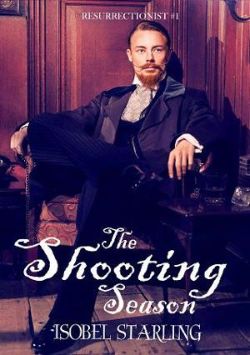
Isobel Starling's novel, The Shooting Season, is a captivating blend of historical fiction and mystery that transports readers to the late 19th century, a time when art, antiquities, and personal desires intertwine in the most unexpected ways. Set against the rugged backdrop of the West Highlands of Scotland, the novel follows Mr. Benedict Hannan, a character whose journey is as much about confronting his past as it is about acquiring a coveted piece of art.
The narrative begins with an intriguing premise: Benedict Hannan, the owner of Hannan’s Auction House in Fitzrovia, receives an invitation to an exclusive auction of the late Lord Percival Ardmillan's private collection. This invitation sets the stage for a story that is rich in atmosphere and tension. Starling's ability to evoke the period's ambiance is commendable, with her detailed descriptions of the Scottish landscape and the opulent yet secretive world of art auctions providing a vivid backdrop for the unfolding drama.
One of the major themes explored in The Shooting Season is the idea of desire and the lengths to which individuals will go to fulfill it. Benedict's longing for a specific item from Ardmillan's collection is not merely about possession; it is deeply tied to his personal history and unresolved emotions. This theme is skillfully woven into the narrative, offering readers a glimpse into the complexities of human motivation and the often blurred lines between professional ambition and personal obsession.
Character development is another strong suit of Starling's writing. Benedict Hannan is a well-crafted protagonist, whose layers are peeled back as the story progresses. His interactions with other collectors and the mysterious traveler he encounters in Scotland reveal much about his character, making him a compelling figure whose internal conflicts resonate with authenticity. The supporting characters, too, are vividly drawn, each contributing to the novel's rich tapestry of intrigue and suspense.
Starling's writing style is both elegant and engaging, reminiscent of classic authors like Arthur Conan Doyle and Wilkie Collins, yet with a modern sensibility that makes the story accessible to contemporary readers. Her prose is marked by a lyrical quality that enhances the novel's emotional impact, drawing readers into Benedict's world and making them care deeply about his journey. The dialogue is sharp and often laced with subtext, reflecting the social mores and tensions of the time.
The emotional impact of The Shooting Season is profound, as Starling deftly explores themes of love, regret, and redemption. Benedict's quest is not just for an artifact but for a sense of closure and understanding of his own heart. The novel's exploration of these universal themes is handled with sensitivity and depth, ensuring that readers are not only entertained but also moved by Benedict's story.
In comparison to other works in the historical fiction and mystery genres, The Shooting Season stands out for its intricate plot and the psychological depth of its characters. While it shares the atmospheric tension and period detail found in novels like Sarah Waters' Fingersmith or the works of Charles Palliser, Starling's novel is distinguished by its focus on the art world and the personal stakes involved in Benedict's quest.
Overall, The Shooting Season by Isobel Starling is a masterfully crafted novel that will appeal to fans of historical fiction and mystery alike. Its rich themes, well-developed characters, and evocative writing style make it a standout addition to the genre. Whether you are drawn to the allure of art and antiquities or the complexities of human desire, this novel offers a rewarding reading experience that lingers long after the final page is turned.



