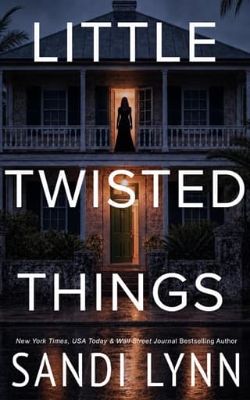
Sandi Lynn's "Little Twisted Things" is a gripping psychological thriller that plunges readers into the dark and eerie world of the Florida Keys, where secrets and danger lurk beneath the surface. The novel's premise is immediately captivating: two serial killers operating in the same town, each with their own chilling motives, set the stage for a tense and unpredictable narrative. Lynn expertly weaves a tale that is both suspenseful and thought-provoking, exploring the complexities of human nature and the thin line between good and evil.
One of the major themes in "Little Twisted Things" is the idea of transformation and the circumstances that lead individuals to become monsters. Lynn delves into the psychology of her characters, particularly Dahlia, who is at the center of this chilling tale. Dahlia's character is intricately developed, and her internal struggle is palpable. She is a woman haunted by her past, trying to escape the darkness that once consumed her. Her promise to never kill again is a testament to her desire for redemption, yet the discovery of bodies in her new home town threatens to unravel the fragile peace she has built for herself.
The theme of duality is also prevalent, as Lynn contrasts the picturesque setting of the Florida Keys with the sinister events unfolding within it. The juxtaposition of the serene environment and the violent acts committed by the killers creates a sense of unease that permeates the novel. This duality is mirrored in the characters themselves, particularly Dahlia, whose outward appearance of normalcy masks a tumultuous inner world. Lynn's exploration of these contrasting elements adds depth to the narrative, making it more than just a simple thriller.
Character development is a strong suit of Sandi Lynn's writing. Dahlia is a complex protagonist whose journey is both compelling and heart-wrenching. Her struggle with her own nature and the secrets she harbors is portrayed with nuance and sensitivity. Lynn does not shy away from exploring the darker aspects of Dahlia's character, making her a multi-dimensional figure that readers can both empathize with and question. The supporting characters are equally well-crafted, each contributing to the story's intricate web of secrets and lies. The interactions between characters are authentic and often charged with tension, reflecting the high stakes of the narrative.
The writing style in "Little Twisted Things" is both engaging and evocative. Lynn's prose is crisp and precise, effectively building suspense and maintaining a brisk pace throughout the novel. Her ability to create vivid imagery allows readers to fully immerse themselves in the setting, feeling the oppressive heat of the Florida Keys and the chilling atmosphere of the crime scenes. The dialogue is sharp and realistic, further enhancing the authenticity of the characters and their interactions. Lynn's use of language is deliberate, with each word carefully chosen to heighten the emotional impact of the story.
Emotionally, "Little Twisted Things" is a rollercoaster. The tension is palpable from the first page, and Lynn masterfully maintains it until the very end. The novel's twists and turns are expertly crafted, keeping readers on the edge of their seats and constantly questioning what they think they know. Lynn's exploration of trauma and its effects on the human psyche is both poignant and unsettling, adding a layer of depth to the narrative that elevates it beyond a typical thriller. The emotional impact of the story is further amplified by the moral dilemmas faced by the characters, prompting readers to reflect on their own beliefs about justice and redemption.
In comparison to other works in the psychological thriller genre, "Little Twisted Things" holds its own with its unique premise and well-developed characters. Fans of authors like Freida McFadden, Kiersten Modglin, and Lucinda Berry will find much to appreciate in Lynn's novel. The book's exploration of the human condition and the factors that drive individuals to commit heinous acts is reminiscent of the works of Gillian Flynn, while its atmospheric setting and intricate plot are akin to those found in Tana French's novels.
Overall, "Little Twisted Things" by Sandi Lynn is a standout entry in the psychological thriller genre. Its combination of a compelling plot, complex characters, and thought-provoking themes make it a must-read for fans of suspenseful and emotionally resonant fiction. Lynn's ability to craft a narrative that is both thrilling and introspective is a testament to her skill as a writer. As the story unfolds, readers will find themselves questioning the nature of evil and the secrets that people keep hidden, long after the final page has been turned.



