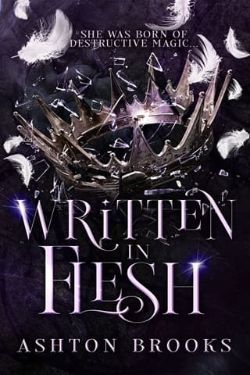
Ashton Brooks' novel, Written In Flesh, is a captivating exploration of identity, memory, and the haunting power of the past. Set against a backdrop of mystery and magic, the story follows Skully Morgan, a protagonist whose journey is as much about self-discovery as it is about confronting the shadows of her forgotten history. Brooks crafts a narrative that is both engaging and thought-provoking, drawing readers into a world where the boundaries between reality and the supernatural blur.
At the heart of Written In Flesh is the theme of identity. Skully Morgan's amnesia serves as a powerful metaphor for the universal quest to understand oneself. Her lack of memories creates a blank slate, allowing her to redefine who she is outside the constraints of her past. This theme is skillfully woven into the narrative, as Skully navigates a world that is both familiar and alien to her. Brooks uses Skully's journey to explore how identity is shaped by both internal and external forces, a theme that resonates deeply with readers who have ever questioned their own place in the world.
Character development is another strength of Brooks' writing. Skully is a complex and relatable protagonist, whose struggles with memory loss and self-identity are portrayed with depth and nuance. Her interactions with Madden, the man who claims to have once owned her heart, add layers to her character. Madden himself is a fascinating figure, embodying the tension between love and resentment. His cold demeanor and harsh words mask a vulnerability that is gradually revealed as the story unfolds. The dynamic between Skully and Madden is charged with emotional intensity, making their relationship one of the most compelling aspects of the novel.
Brooks' writing style is both lyrical and evocative, painting vivid pictures of the world Skully inhabits. The author's use of language is particularly effective in conveying the novel's darker themes, such as betrayal and the fear of the unknown. The prose is imbued with a sense of foreboding, creating an atmosphere that is both enchanting and unsettling. This style is reminiscent of authors like Neil Gaiman and Sarah J. Maas, who similarly blend elements of fantasy with rich, atmospheric storytelling.
The emotional impact of Written In Flesh is profound. Brooks masterfully captures the turmoil of a woman caught between two worlds, each pulling her in different directions. Skully's journey is fraught with tension and uncertainty, and readers will find themselves empathizing with her plight. The novel's exploration of themes such as power, freedom, and the cost of secrets adds depth to the emotional landscape, making it a story that lingers in the mind long after the final page is turned.
In comparison to other works in the fantasy genre, Written In Flesh stands out for its focus on character-driven storytelling. While it contains elements of magic and the supernatural, these aspects serve to enhance rather than overshadow the human drama at the core of the narrative. This approach is similar to that of authors like Deborah Harkness and V.E. Schwab, who also prioritize character development and emotional depth in their fantasy novels.
Overall, Written In Flesh by Ashton Brooks is a compelling addition to the fantasy genre. Its exploration of identity and memory is both timely and timeless, offering readers a story that is as introspective as it is thrilling. Brooks' ability to create complex characters and weave them into a richly detailed world makes this novel a must-read for fans of fantasy and literary fiction alike. Whether you are drawn to stories of magic, mystery, or the intricacies of the human heart, Written In Flesh promises to deliver a reading experience that is both satisfying and unforgettable.



