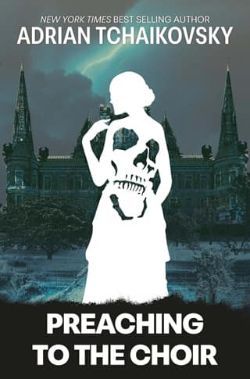
Adrian Tchaikovsky's novel, Preaching to the Choir, is a gripping exploration of the intersections between wealth, tradition, and the supernatural. Set against the backdrop of an ancient British estate, the story delves into the enigmatic world of "old money" through the eyes of Elena Mendes, a character who serves as both an outsider and a conduit for the reader's curiosity. Tchaikovsky, known for his imaginative storytelling and intricate world-building, crafts a narrative that is as much about personal discovery as it is about the haunting legacies of the past.
At the heart of Preaching to the Choir is the theme of legacy and the burdens it imposes on those who inherit it. Elena's boyfriend, Ross Enderbough, embodies this struggle. As a scion of a family whose roots run deeper than the foundations of the United States, Ross is caught between the allure of his ancestral home and the desire to forge his own path. Tchaikovsky skillfully uses Ross's internal conflict to examine how the weight of tradition can stifle individuality and freedom. This theme resonates with readers familiar with works like Shirley Jackson's The Haunting of Hill House, where the setting itself becomes a character, influencing and reflecting the psychological states of its inhabitants.
Elena Mendes, as the protagonist, is a well-drawn character whose development is central to the novel's emotional impact. Initially, she is portrayed as a supportive partner, accompanying Ross to the mysterious family gathering at Enderby. However, as the story unfolds, Elena's journey becomes one of self-discovery and empowerment. Her outsider status allows her to question the norms and secrets of the Enderbough family, providing a fresh perspective on the entrenched traditions that govern their lives. Tchaikovsky's portrayal of Elena is both empathetic and nuanced, making her a relatable figure for readers who have ever felt out of place in a world governed by rules they did not create.
The writing style in Preaching to the Choir is both evocative and atmospheric, capturing the eerie beauty of the Enderby estate. Tchaikovsky's prose is rich with detail, painting vivid images of the mouldering mansion and the unkempt woods that surround it. This attention to setting not only enhances the novel's gothic overtones but also serves to heighten the tension as Elena uncovers the estate's dark secrets. Readers who appreciate the atmospheric storytelling found in works by authors like Susan Hill or Daphne du Maurier will find much to admire in Tchaikovsky's approach.
Emotionally, the novel is a rollercoaster, with moments of suspense and revelation that keep the reader engaged from start to finish. Tchaikovsky masterfully balances the supernatural elements with the human drama, ensuring that the story remains grounded even as it delves into the fantastical. The tension between the known and the unknown is a driving force in the narrative, creating a sense of unease that lingers long after the final page is turned.
Comparatively, Preaching to the Choir shares thematic similarities with novels like The Little Stranger by Sarah Waters, where the exploration of class and the supernatural are intertwined. Tchaikovsky, however, brings his unique voice to the genre, infusing the story with a modern sensibility that makes it accessible to contemporary readers. His ability to weave complex themes into a compelling narrative is a testament to his skill as a storyteller.
In conclusion, Preaching to the Choir is a captivating addition to Adrian Tchaikovsky's body of work, offering a thought-provoking exploration of wealth, tradition, and the supernatural. With well-developed characters, an atmospheric setting, and a narrative that balances suspense with emotional depth, the novel is sure to appeal to fans of gothic fiction and those interested in stories that challenge the status quo. Tchaikovsky's ability to blend the familiar with the fantastical makes this book a must-read for anyone seeking an engaging and insightful literary experience.



