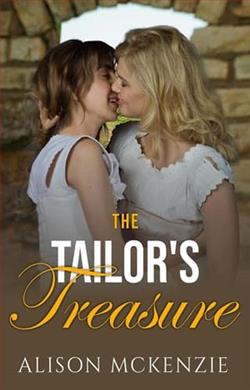
Alison McKenzie's The Tailor's Treasure is a compelling exploration of love, resilience, and societal constraints, set against the backdrop of a richly detailed historical setting. This novel is a poignant addition to the historical romance genre, offering readers a nuanced portrayal of two women navigating the complexities of their lives and emotions in a world that often seems stacked against them.
The story centers on Isabel d’Eresby, a character whose life has been marked by a series of unfortunate events. As a widow with no financial independence, Isabel is trapped in a life dictated by her late husband's family. Her primary motivation is the well-being of her son, which forces her to endure the indignities imposed by her in-laws. McKenzie crafts Isabel with a depth that makes her struggles palpable, allowing readers to empathize with her plight. Her journey is one of survival and quiet strength, and her character development is a testament to McKenzie's skill in creating complex, relatable protagonists.
In contrast, Constance Rykener is portrayed as a woman of determination and resourcefulness. Her life is equally challenging, with a failing business and familial obligations that threaten to overwhelm her. Yet, Constance's resilience shines through, and her character serves as a beacon of hope and possibility. The dynamic between Isabel and Constance is the heart of the novel, and McKenzie deftly explores their evolving relationship with sensitivity and care. The chemistry between them is undeniable, and their interactions are charged with an emotional intensity that is both captivating and authentic.
McKenzie's writing style is both elegant and accessible, drawing readers into the world she has meticulously crafted. Her prose is rich with detail, painting a vivid picture of the historical setting without overwhelming the narrative. This balance allows the story to flow naturally, keeping readers engaged from start to finish. The dialogue is sharp and reflective of the characters' personalities, further enhancing the authenticity of their experiences.
The themes of The Tailor's Treasure are deeply resonant, exploring issues of love, identity, and societal expectations. McKenzie delves into the constraints placed on women during the period, highlighting the courage required to defy convention and pursue personal happiness. The novel also examines the concept of family, both biological and chosen, and the lengths to which individuals will go to protect those they love. These themes are woven seamlessly into the narrative, providing a thought-provoking backdrop to the romance at the story's core.
Emotionally, the novel is a rollercoaster, with moments of tension, tenderness, and triumph. McKenzie captures the internal conflicts of her characters with precision, allowing readers to experience their joys and sorrows alongside them. The emotional impact of the story is profound, leaving a lasting impression long after the final page is turned.
In comparison to other works in the historical romance genre, The Tailor's Treasure stands out for its focus on the inner lives of its characters and its exploration of themes that remain relevant today. Fans of authors like Sarah Waters and Emma Donoghue will find much to appreciate in McKenzie's nuanced storytelling and her ability to create a world that feels both distant and familiar.
Overall, Alison McKenzie's The Tailor's Treasure is a beautifully crafted novel that offers a fresh perspective on historical romance. Its engaging characters, rich themes, and emotional depth make it a must-read for fans of the genre and anyone interested in stories of love and resilience. The novel is a testament to the power of storytelling and the enduring strength of the human spirit, making it a valuable addition to any reader's collection.



