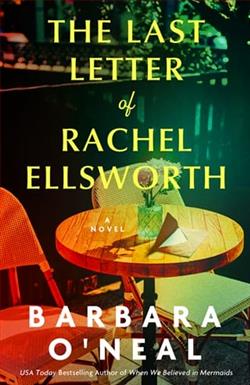
Barbara O'Neal's The Last Letter of Rachel Ellsworth is a compelling exploration of healing, friendship, and self-discovery, wrapped in a narrative that traverses continents and cultures. This novel, a poignant addition to the women's fiction genre, invites readers on a journey that is as much about the physical landscapes as it is about the emotional terrains navigated by its characters.
At the heart of the story are two women, Veronica Barrington and Mariah Ellsworth, each grappling with their own past traumas. Veronica, recently divorced, is seeking a fresh start, while Mariah is mourning the loss of her mother, Rachel, a celebrated food writer. Their paths intersect when Veronica answers Mariah's call for a travel companion, setting the stage for a transformative journey. The narrative structure, which follows the duo as they trace Rachel's unfinished project through Parsi cafés in London, Paris, Morocco, and India, is both a literal and metaphorical quest for closure and new beginnings.
O'Neal's writing style is richly descriptive, painting vivid pictures of the diverse locales the characters visit. Her ability to evoke the sensory experiences of each setting—the aromas of spices, the bustling café atmospheres, the vibrant street scenes—immerses the reader fully in the journey. This attention to detail not only enhances the narrative but also underscores the novel's themes of cultural exploration and personal rediscovery. The author’s prose is reminiscent of the evocative storytelling found in works by Elizabeth Gilbert and Frances Mayes, where the setting becomes a character in its own right.
The character development in The Last Letter of Rachel Ellsworth is nuanced and deeply engaging. Veronica's evolution from a woman defined by her past relationships to someone who embraces her independence is portrayed with authenticity and grace. Her interactions with Mariah reveal layers of vulnerability and strength, making her journey relatable and inspiring. Mariah, on the other hand, is depicted with a rawness that captures the complexities of grief and resilience. Her quest to honor her mother's legacy while forging her own path is a testament to the enduring bonds of family and the power of personal growth.
O'Neal skillfully weaves the theme of friendship throughout the narrative, highlighting how connections formed in unexpected circumstances can lead to profound personal transformations. The relationship between Veronica and Mariah is central to the novel's emotional impact. Their shared experiences and mutual support illustrate the healing power of companionship, echoing themes found in novels like The Unlikely Pilgrimage of Harold Fry by Rachel Joyce, where journeys become catalysts for change.
The inclusion of a former war photographer as a secondary character adds another layer of depth to the story. His presence serves as a reminder of the scars left by past experiences and the possibility of redemption through new beginnings. This character's backstory, intertwined with the main narrative, enriches the novel's exploration of overcoming adversity and finding light in the darkest of times.
Emotionally, The Last Letter of Rachel Ellsworth resonates on multiple levels. O'Neal's portrayal of grief is both poignant and realistic, capturing the myriad ways it can manifest and the slow, often painful process of healing. The letters from Rachel, which guide Veronica and Mariah on their journey, serve as a narrative device that ties the past to the present, offering insights and revelations that propel the characters—and the reader—forward. These letters are not just clues to Rachel's unfinished project; they are windows into her soul, providing comfort and wisdom to those she left behind.
In conclusion, Barbara O'Neal's The Last Letter of Rachel Ellsworth is a beautifully crafted novel that delves into the complexities of human emotions and relationships. Its blend of travel, personal growth, and emotional depth makes it a standout in the women's fiction genre. Readers who appreciate stories of self-discovery and the healing power of friendship will find much to admire in this book. O'Neal's ability to create a narrative that is both introspective and expansive ensures that this novel will linger in the minds of its readers long after the final page is turned.



