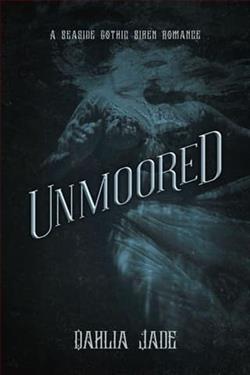
Dahlia Jade's novel, Unmoored, is a captivating exploration of grief, identity, and the mystical allure of the unknown. Set against the backdrop of the late 19th century, the story follows Hazel Emerson, a young woman whose life is upended by the death of her mother and the subsequent accusation of hysteria by her father. This accusation leads to her being sent to the Akala Asylum, a decision that sets the stage for a journey both literal and metaphorical, as Hazel navigates the tumultuous waters of the Atlantic and the equally turbulent depths of her own psyche.
Jade's writing style is both lyrical and immersive, drawing readers into Hazel's world with a deft hand. The prose is rich with descriptive detail, painting vivid pictures of the settings and emotions that Hazel experiences. This attention to detail is particularly effective in the scenes depicting the ocean, which is almost a character in its own right. The sea is portrayed as both a source of danger and a place of salvation, reflecting Hazel's internal conflict and her growing connection to the mysterious Talassi warrior who saves her from the shipwreck.
The theme of isolation is central to Unmoored, as Hazel grapples with the loneliness imposed by her father's rejection and her own sense of being unmoored from the life she once knew. Her isolation is compounded by the societal expectations of the time, which view her emotional turmoil as a sign of weakness rather than a natural response to loss. This theme is reminiscent of Charlotte Perkins Gilman's The Yellow Wallpaper, where the protagonist's mental health struggles are similarly dismissed by a patriarchal society. However, Jade adds a fantastical twist with the introduction of the Talassi warrior, blurring the lines between reality and imagination and inviting readers to question the nature of Hazel's experiences.
Character development is another strength of the novel. Hazel is a well-rounded protagonist whose journey is both compelling and relatable. Her initial vulnerability and confusion gradually give way to a quiet strength as she learns to trust her instincts and embrace the possibility of a world beyond the one she has always known. The Talassi warrior, though less developed, serves as a catalyst for Hazel's transformation, embodying the allure of the unknown and the promise of a different kind of life.
Emotionally, Unmoored is a poignant exploration of grief and healing. Hazel's longing for her mother and her struggle to find her place in a world that seems intent on dismissing her pain are portrayed with sensitivity and depth. Jade captures the complexity of grief, acknowledging its ability to isolate and consume while also highlighting the potential for growth and renewal. The novel's emotional impact is heightened by the sense of mystery that permeates the narrative, keeping readers engaged and invested in Hazel's journey.
In terms of genre, Unmoored straddles the line between historical fiction and fantasy, with elements of magical realism woven throughout. This blend of genres is reminiscent of works by authors like Susanna Clarke and Erin Morgenstern, who similarly create worlds where the fantastical and the historical coexist. Jade's ability to balance these elements is impressive, creating a narrative that feels both grounded in its historical setting and enriched by its fantastical elements.
Overall, Unmoored is a beautifully written and thought-provoking novel that will appeal to fans of both historical fiction and fantasy. Dahlia Jade has crafted a story that is both timeless and timely, exploring themes of identity, belonging, and the transformative power of the unknown. For readers seeking a novel that is both emotionally resonant and richly imaginative, Unmoored is a journey worth taking.



