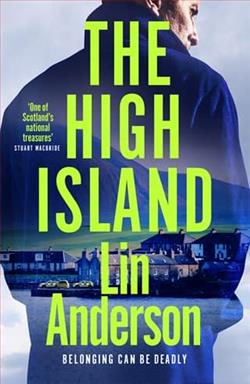
Lin Anderson’s The High Island introduces readers to a new protagonist, DI Erling Flett, in a gripping crime thriller that deftly combines the haunting beauty of the Isle of Hoy with the chilling discovery of a long-buried secret. Known for her acclaimed Rhona MacLeod series, Anderson once again proves her mastery in crafting atmospheric settings and complex characters, drawing readers into a narrative that is as much about personal redemption as it is about solving a crime.
The story begins with the discovery of human remains—those of a young mother and her baby—on the rugged Isle of Hoy. This grisly find sets the stage for a mystery that is deeply intertwined with the island’s history and the personal demons of DI Erling Flett. The novel’s setting is more than just a backdrop; it is a character in its own right. The stark, windswept landscapes of Orkney are vividly described, creating a sense of isolation and foreboding that permeates the narrative. Anderson’s ability to evoke the physical and emotional climate of the island enhances the tension and underscores the themes of isolation and community resistance.
DI Erling Flett is a compelling protagonist whose personal journey is as engaging as the central mystery. Flett is a character marked by his past, having fled Orkney years ago, only to be drawn back to confront the ghosts he left behind. His return to the islands is fraught with personal challenges, as he must navigate a community that is both familiar and hostile. Anderson skillfully develops Flett’s character, revealing layers of complexity and vulnerability that make him relatable and intriguing. His struggle to reconcile his past with his present adds depth to the narrative, elevating it beyond a simple whodunit.
The themes of family and legacy are intricately woven into the plot, with the discovery of the remains sparking a lethal family feud over the land. Anderson explores the idea of blood ties and the weight of familial expectations, creating a narrative that is as much about identity and belonging as it is about crime. The tension between the island’s history and the modern world is palpable, reflecting broader themes of change and resistance. This thematic richness adds a layer of sophistication to the novel, inviting readers to ponder the implications of heritage and the cost of secrets.
Anderson’s writing style is both evocative and precise, capturing the nuances of the island’s landscape and the intricacies of human emotion. Her prose is imbued with a sense of urgency, propelling the narrative forward while allowing for moments of introspection and character development. The dialogue is sharp and realistic, reflecting the tensions and alliances within the community. Anderson’s ability to balance action with introspection ensures that the novel remains engaging from start to finish.
Emotionally, The High Island resonates on multiple levels. The personal stakes for DI Erling Flett are high, and Anderson does not shy away from exploring the emotional toll of his investigation. The novel delves into themes of guilt, redemption, and the search for truth, creating an emotional depth that is both compelling and poignant. Readers will find themselves invested in Flett’s journey, rooting for him as he navigates the complexities of his past and present.
In comparison to other works in the crime thriller genre, The High Island stands out for its atmospheric setting and character-driven narrative. Fans of Ann Cleeves’ Shetland series or Peter May’s Lewis Trilogy will appreciate Anderson’s attention to detail and her ability to create a sense of place that is integral to the story. Like these authors, Anderson excels in crafting a mystery that is as much about the characters and their relationships as it is about solving a crime.
Overall, The High Island is a masterful addition to Lin Anderson’s body of work, offering a fresh perspective on the crime thriller genre. With its richly drawn characters, evocative setting, and intricate plot, the novel is sure to captivate readers who appreciate a well-crafted mystery with emotional depth. Anderson’s ability to weave together themes of family, identity, and redemption ensures that the novel will linger in the minds of readers long after the final page is turned. For those seeking a crime thriller that is both thought-provoking and suspenseful, The High Island is a must-read.



