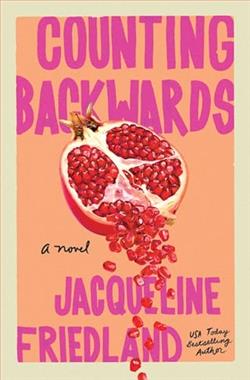
Jacqueline Friedland's novel, Counting Backwards, offers a poignant exploration of justice, family legacy, and the relentless pursuit of truth. This emotionally charged narrative weaves together two distinct timelines, each shedding light on the enduring struggle for human rights and the personal sacrifices made in the name of progress. Friedland's ability to intertwine these stories with such finesse is a testament to her skill as a storyteller, making this novel a compelling read for fans of historical fiction and legal dramas alike.
At the heart of Counting Backwards is Jessa Gidney, a modern-day attorney grappling with the challenges of balancing a demanding career, a meaningful marriage, and the hope of starting a family. Friedland paints Jessa as a relatable and complex character, whose professional setbacks lead her to embrace her family's activist roots. Her decision to take on pro bono work at an ICE detention center is not just a career move but a deeply personal journey that forces her to confront uncomfortable truths about her own family's past. Through Jessa, Friedland explores themes of identity, legacy, and the moral complexities of the legal system.
In stark contrast, the narrative shifts to Virginia in 1927, where we meet Carrie Buck, a young woman caught in the throes of a landmark Supreme Court case that would define the American eugenics movement. Friedland's portrayal of Carrie is both heartbreaking and inspiring. Despite her lack of education and support, Carrie embodies resilience and hope, dreaming of a future beyond the confines of her exploitative circumstances. The juxtaposition of Carrie's historical struggle with Jessa's contemporary fight underscores the novel's central theme: the fight for justice is ongoing and often deeply personal.
Friedland's writing style is both evocative and accessible, drawing readers into the emotional landscapes of her characters. Her prose is rich with detail, yet never overwrought, allowing the gravity of the novel's themes to resonate without overwhelming the reader. The alternating timelines are handled with precision, each chapter seamlessly transitioning between past and present, building tension and emotional depth. This narrative structure not only highlights the parallels between Jessa and Carrie's stories but also emphasizes the cyclical nature of societal progress.
The emotional impact of Counting Backwards is profound, as Friedland deftly tackles issues of reproductive rights, incarceration, and societal expectations of women. These themes are as relevant today as they were in Carrie's time, and Friedland's exploration of them is both timely and timeless. The novel serves as a stark reminder that the fight for equality and justice is rarely straightforward, often requiring immense courage and sacrifice. Readers will find themselves deeply moved by the personal stakes involved in Jessa's quest for justice and Carrie's historical battle for dignity.
In terms of character development, Friedland excels at creating multidimensional figures whose motivations and struggles are both relatable and compelling. Jessa's evolution from a career-focused attorney to a passionate advocate for justice is portrayed with nuance and authenticity. Her journey is mirrored by Carrie's own transformation, as she becomes an unwitting symbol of resistance against an oppressive system. The supporting characters, particularly Isobel Pérez, add further layers to the narrative, highlighting the interconnectedness of personal and collective struggles.
Friedland's novel invites comparison to works like The Nightingale by Kristin Hannah and The Help by Kathryn Stockett, both of which explore themes of female empowerment and social justice against historical backdrops. Like these authors, Friedland uses her narrative to illuminate the often-overlooked stories of women who have shaped history through their courage and resilience.
Ultimately, Counting Backwards is a powerful reminder of the enduring impact of history on the present and the importance of fighting for what is right, even when the odds seem insurmountable. Jacqueline Friedland has crafted a novel that is as thought-provoking as it is emotionally resonant, offering readers a compelling exploration of the human spirit's capacity for change and justice. This book is sure to leave a lasting impression on those who seek stories that challenge, inspire, and resonate long after the final page is turned.



