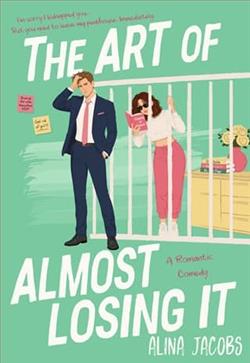
Alina Jacobs' "The Art of Almost Losing It" is a delightful romp through the chaotic and often hilarious world of romantic misadventures, capturing the essence of a spicy romantic comedy with a unique twist. This standalone novel, set against the vibrant backdrop of New York City, offers readers a fresh take on the fake relationship trope, infused with humor, unexpected tenderness, and a touch of absurdity.
The novel centers around a protagonist who finds herself in a rather unconventional predicament—kidnapped by a stranger, yet finding solace in the bizarre situation. Jacobs crafts a narrative that is both engaging and unpredictable, drawing readers into the protagonist's whirlwind of emotions and missteps. The protagonist's voice is distinct and relatable, embodying the struggles of a woman on the brink of thirty, grappling with societal expectations and personal insecurities.
One of the major themes explored in "The Art of Almost Losing It" is the concept of identity and self-worth. The protagonist's initial fabrication of a hot, rich boyfriend serves as a metaphor for the facades we often create to fit societal norms. Jacobs delves into the protagonist's internal conflict with wit and sensitivity, highlighting her journey toward self-acceptance. This theme resonates with readers who have ever felt the pressure to conform or embellish their lives to meet external expectations.
The character development in the novel is both nuanced and compelling. The protagonist's evolution from a woman who feels like a "loser daughter" to someone who begins to embrace her quirks and flaws is portrayed with authenticity. Her kidnapper, who initially appears as a mere plot device, gradually reveals layers of complexity. Jacobs skillfully peels back the layers of his aloof and emotionally unavailable exterior, revealing a character who is as flawed and vulnerable as the protagonist. Their dynamic is reminiscent of the classic opposites-attract trope, yet Jacobs injects it with fresh energy and humor.
Jacobs' writing style is a standout feature of the book. Her prose is sharp, witty, and infused with a conversational tone that makes the narrative accessible and engaging. The dialogue is snappy and often laugh-out-loud funny, capturing the essence of a rom-com while maintaining a sense of realism. Jacobs' ability to balance humor with moments of genuine emotion is reminiscent of authors like Sophie Kinsella and Christina Lauren, who excel in blending comedy with romance.
The emotional impact of "The Art of Almost Losing It" lies in its ability to make readers both laugh and reflect. While the premise is undeniably humorous, Jacobs does not shy away from exploring deeper emotional truths. The protagonist's journey is one of self-discovery and empowerment, and her interactions with her kidnapper challenge her preconceived notions of love and relationships. The novel's exploration of vulnerability and the fear of intimacy is handled with care, adding depth to what could have been a purely comedic narrative.
Comparatively, Jacobs' work stands out in the romantic comedy genre for its bold premise and execution. While the concept of a fake relationship is a familiar trope, the added element of a kidnapping scenario sets this novel apart. Jacobs takes risks with her storytelling, and her willingness to push the boundaries of the genre results in a narrative that feels fresh and exciting. The book's ability to balance absurdity with genuine emotion is a testament to Jacobs' skill as a storyteller.
In conclusion, "The Art of Almost Losing It" by Alina Jacobs is a must-read for fans of romantic comedies who appreciate a blend of humor, heart, and a touch of the unexpected. Jacobs' ability to craft memorable characters and a compelling narrative ensures that readers will be both entertained and moved. The novel's exploration of themes such as identity, self-worth, and the complexities of modern relationships makes it a relatable and thought-provoking read. For those seeking a book that offers both laughter and introspection, Jacobs delivers a standout addition to the rom-com genre.



