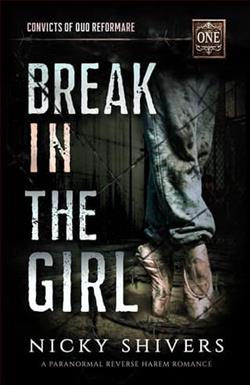
"Break In The Girl" by Nicky Shivers is a compelling addition to the fantasy genre, weaving a tale that is both gritty and enchanting. Set in a universe where magic and societal hierarchies collide, Shivers crafts a narrative that is as much about personal empowerment as it is about survival. The protagonist, Aurora Drakeward, is a character who defies the traditional damsel-in-distress trope, offering readers a refreshing take on the fantasy heroine.
At the heart of "Break In The Girl" is the theme of rebellion against oppressive structures. Aurora's journey begins with a dramatic act of defiance—stabbing her arranged fiancé to escape a life of subjugation. This act sets the stage for her incarceration in Quo Reformare, a reform school that serves as a microcosm of a world where magic is suppressed and societal outcasts are left to fend for themselves. The setting is reminiscent of the oppressive atmospheres found in works like "The Handmaid's Tale" by Margaret Atwood, where the protagonist must navigate a world designed to strip them of power and agency.
Character development is a standout feature in Shivers' narrative. Aurora is initially portrayed as a privileged yet sheltered young woman, her life dictated by the whims of her father and the rigid expectations of her elite status. However, as the story progresses, Aurora evolves from a ballet-trained princess into a resilient survivor. Her transformation is both believable and inspiring, as Shivers meticulously details her internal struggles and growing self-reliance. The Null-Wards in Quo Reformare, which nullify her magical abilities, serve as a metaphor for the stripping away of her former identity, forcing her to discover strength beyond her magical prowess.
Shivers' writing style is both vivid and immersive, drawing readers into the harsh realities of Quo Reformare. Her prose is laced with a raw energy that captures the tension and danger of Aurora's new environment. The author's ability to balance descriptive passages with fast-paced action sequences keeps the narrative engaging and dynamic. The dialogue is sharp and often laced with wit, providing moments of levity amidst the darker themes. This style is reminiscent of Leigh Bardugo's "Six of Crows," where the interplay between characters adds depth and dimension to the story.
Emotionally, "Break In The Girl" resonates on multiple levels. Aurora's journey is not just a physical battle for survival but also an emotional quest for identity and autonomy. Her internal monologue, filled with doubt and determination, offers a poignant insight into her psyche. Readers will find themselves rooting for Aurora, not just because of her circumstances, but because of her unwavering resolve to define her own destiny. This emotional depth is comparable to the character-driven narratives found in Sarah J. Maas's works, where personal growth is as pivotal as the external conflicts.
Shivers also explores the theme of camaraderie and unlikely alliances. In a place where trust is scarce, Aurora forms bonds with fellow inmates, each with their own backstory and motivations. These relationships add layers to the narrative, highlighting the complexities of human interaction in dire circumstances. The dynamics within Quo Reformare echo the intricate character relationships seen in Suzanne Collins' "The Hunger Games," where alliances are both a necessity and a potential betrayal.
Overall, "Break In The Girl" is a thought-provoking exploration of resilience and rebellion. Nicky Shivers has crafted a story that is both entertaining and meaningful, offering readers a heroine who embodies strength and vulnerability in equal measure. The book's blend of fantasy elements with real-world issues of power and autonomy makes it a standout in the genre. For fans of character-driven fantasy with a strong female lead, "Break In The Girl" is a must-read that promises to leave a lasting impression.



