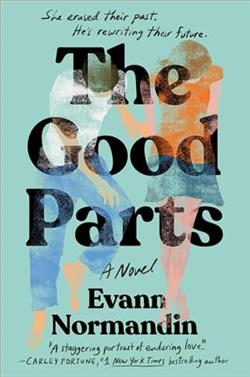
Evann Normandin's novel, The Good Parts, is a compelling exploration of love, memory, and identity, set against the romantic backdrop of Edinburgh. This poignant narrative weaves a complex tapestry of emotions, inviting readers to ponder the nature of love and the essence of self when memories are stripped away. For fans of romantic fiction, particularly those who enjoyed works like One Day and In Five Years, this book offers a fresh yet familiar journey through the intricacies of human relationships.
At the heart of The Good Parts is the unique premise of memory erasure, a concept that serves as both a plot device and a thematic cornerstone. Rose, the protagonist, undergoes a radical procedure to erase her past, including her relationship with Landon, the man she once loved deeply. This decision sets the stage for a narrative that alternates between two timelines: Landon's present and Rose's past. Through this structure, Normandin skillfully contrasts the vibrancy of their shared history with the starkness of Rose's new, unencumbered life.
The character development in The Good Parts is both nuanced and profound. Landon emerges as a deeply sympathetic character, driven by an unwavering hope that love can transcend even the most formidable barriers. His journey is one of resilience and rediscovery, as he attempts to rekindle a romance with Rose, who now perceives him as a stranger. Normandin captures Landon's emotional turmoil with a deft touch, painting a portrait of a man caught between the agony of loss and the thrill of potential rediscovery.
Rose, on the other hand, is portrayed with a delicate complexity. Her decision to erase her memories is initially shrouded in mystery, prompting readers to question the motivations behind such a drastic choice. As the narrative unfolds, her past is revealed in layers, offering insights into the pain and grief she sought to escape. Normandin's portrayal of Rose is both empathetic and realistic, allowing readers to understand her desire for a fresh start while simultaneously rooting for her to reclaim the love she once shared with Landon.
The writing style in The Good Parts is both lyrical and accessible, striking a balance that makes the novel a pleasure to read. Normandin's prose is imbued with a sense of longing and introspection, capturing the emotional depth of her characters' experiences. Her descriptions of Edinburgh are particularly evocative, infusing the setting with a sense of magic and possibility that mirrors the novel's themes of renewal and hope.
One of the most striking aspects of The Good Parts is its emotional impact. Normandin has crafted a story that resonates on multiple levels, exploring not only romantic love but also the broader themes of identity and self-discovery. The novel prompts readers to consider the role of memory in shaping who we are and challenges the notion that forgetting is the path to healing. Instead, it suggests that true healing comes from embracing our past, with all its imperfections, and finding beauty in what remains.
In comparison to similar works in the genre, The Good Parts stands out for its innovative approach to storytelling and its deep emotional resonance. While it shares thematic similarities with novels like One Day and In Five Years, Normandin's exploration of memory and identity adds a unique dimension to the narrative. Her ability to weave together past and present timelines creates a dynamic reading experience that keeps readers engaged and invested in the characters' journeys.
Overall, The Good Parts by Evann Normandin is a beautifully crafted novel that offers a fresh perspective on love and memory. Its engaging plot, well-developed characters, and emotional depth make it a standout addition to the romantic fiction genre. For readers seeking a story that challenges the boundaries of love and explores the complexities of the human heart, The Good Parts is a must-read. Normandin's novel is a testament to the enduring power of love and the possibility of new beginnings, even in the face of profound loss.



