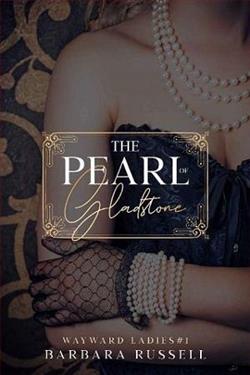
Barbara Russell's The Pearl of Gladstone is a captivating historical romance set in the vibrant yet tumultuous backdrop of London in 1884. The novel deftly intertwines themes of identity, societal expectations, and the quest for truth, all while delivering a compelling narrative that keeps readers engaged from start to finish. At its heart, the story is a delicate dance between deception and self-discovery, as the protagonist, Pearl, navigates a world that is both foreign and familiar.
From the outset, Russell establishes a gripping premise. Pearl, the titular character, finds herself ensnared in a web of accusations and financial ruin following her father's mysterious disappearance. This setup immediately draws readers into Pearl's plight, evoking empathy and curiosity. Her desperation leads her to the clandestine society of The Wayward Ladies, a group that offers aid to women in distress. This society, reminiscent of the secretive organizations in novels like Sarah Waters' Fingersmith, adds an intriguing layer to the narrative, highlighting the limited options available to women during the Victorian era.
Pearl's character development is one of the novel's standout elements. Initially portrayed as a woman thrust into circumstances beyond her control, Pearl's journey is one of empowerment and resilience. Her decision to impersonate Miss Amelia is not just a means of survival but a strategic move to uncover the truth about her father's predicament. Through Pearl, Russell explores the theme of identity, questioning how much of oneself is defined by societal roles and expectations. Pearl's transformation from a passive participant in her own life to an active seeker of truth is both believable and inspiring.
Lord Christopher Lyon, the brooding and disfigured Earl of Gladstone, serves as a compelling counterpart to Pearl. His reluctance to engage with Miss Amelia, and by extension Pearl, is rooted in his own insecurities and past traumas. Christopher's character is reminiscent of the classic Byronic hero, drawing parallels to characters like Mr. Rochester from Charlotte Brontë's Jane Eyre. His journey is one of vulnerability and acceptance, as he learns to look beyond appearances and societal judgments. The dynamic between Pearl and Christopher is charged with tension and chemistry, making their interactions a highlight of the novel.
Russell's writing style is both evocative and immersive, painting a vivid picture of Victorian London with its stark contrasts between opulence and poverty. Her attention to detail brings the setting to life, from the bustling streets to the opulent estates. The dialogue is sharp and period-appropriate, enhancing the authenticity of the characters' voices. Russell's prose is reminiscent of the works of Georgette Heyer, known for her meticulous historical detail and engaging storytelling.
Emotionally, The Pearl of Gladstone is a rollercoaster. Russell skillfully balances moments of tension and suspense with scenes of tenderness and introspection. The emotional depth of the characters, particularly Pearl and Christopher, adds a layer of complexity to the narrative, making their struggles and triumphs resonate with readers. The novel's exploration of themes such as trust, redemption, and the courage to defy societal norms is both thought-provoking and inspiring.
In terms of genre, The Pearl of Gladstone fits seamlessly into the historical romance category, yet it offers more than just a love story. The elements of mystery and intrigue, coupled with the social commentary on the roles and limitations of women, elevate the novel beyond a conventional romance. Fans of historical fiction and romance will find much to appreciate in Russell's nuanced portrayal of the era and her ability to weave a story that is both entertaining and meaningful.
Overall, Barbara Russell's The Pearl of Gladstone is a richly layered novel that offers a fresh take on the historical romance genre. With its well-drawn characters, engaging plot, and insightful themes, it is a book that will appeal to both fans of historical fiction and those looking for a story with emotional depth and complexity. Russell's ability to blend romance, mystery, and social commentary sets her apart as a writer, making this novel a must-read for anyone seeking a captivating and thought-provoking literary experience.



