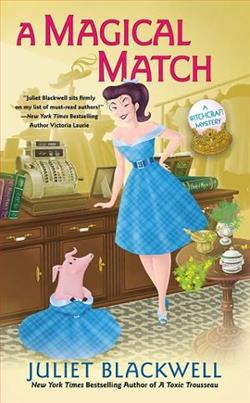
Juliet Blackwell's "A Magical Match" is a captivating addition to her beloved Witchcraft Mystery series, blending elements of cozy mystery, urban fantasy, and a touch of romance. Set against the vibrant backdrop of San Francisco, this novel invites readers into a world where magic and mystery intertwine seamlessly. As the ninth installment in the series, it continues to explore the life and challenges of Lily Ivory, a witch and vintage store owner, who finds herself embroiled in a perplexing case of mistaken identity.
One of the major themes in "A Magical Match" is the exploration of identity and the complexities it brings. The plot kicks off with a case of mistaken identity that threatens the stability of Lily's life and her relationship with her fiancé, Sailor. This theme is intricately woven into the narrative, as Lily grapples with the idea of doppelgangers and the unsettling notion that someone could be impersonating those she loves. Blackwell masterfully uses this theme to delve into deeper questions about trust, perception, and the essence of self, making readers ponder how well we truly know those around us.
Character development is another strong suit of Blackwell's writing. Lily Ivory is a well-rounded protagonist whose growth over the series is evident. In "A Magical Match," she is portrayed as both vulnerable and resilient, a character who must balance her magical abilities with the everyday challenges of running a business and planning a wedding. Her determination to clear Sailor's name, despite the mounting evidence against him, showcases her loyalty and tenacity. Sailor himself is given more depth as a character, with the narrative exploring his past and the complexities of his relationship with Lily. The supporting cast, including Lily's quirky friends and magical allies, add richness to the story, providing both comic relief and emotional support.
Juliet Blackwell's writing style is engaging and accessible, with a flair for vivid descriptions that bring the setting to life. San Francisco, with its eclectic charm and historical richness, serves as more than just a backdrop; it becomes a character in its own right. Blackwell's ability to blend the magical with the mundane is reminiscent of authors like Charlaine Harris and her Sookie Stackhouse series, where the supernatural seamlessly integrates into everyday life. Her prose is sprinkled with humor and warmth, making the book a delightful read for fans of cozy mysteries and urban fantasy alike.
The emotional impact of "A Magical Match" is significant, as it touches on themes of love, loyalty, and the fear of losing those we hold dear. The tension between Lily and Sailor, exacerbated by the external threat of a magical foe, adds a layer of emotional depth to the narrative. Readers will find themselves invested in Lily's quest to uncover the truth, feeling her frustration and determination as she navigates the challenges thrown her way. The book also explores the idea of community and support, as Lily's friends rally around her in times of need, highlighting the importance of friendship and solidarity.
In comparison to other works in the genre, "A Magical Match" stands out for its unique blend of vintage charm and magical intrigue. Blackwell's attention to detail, particularly in the depiction of Lily's vintage store and the 1950s-themed event, adds an extra layer of authenticity and nostalgia. This attention to setting and atmosphere is reminiscent of the works of authors like Alice Hoffman, who also excels at creating enchanting worlds that feel both familiar and otherworldly.
Overall, Juliet Blackwell's "A Magical Match" is a compelling read that will appeal to fans of cozy mysteries, urban fantasy, and anyone who enjoys a well-crafted tale of magic and mystery. The book's exploration of identity, coupled with its engaging characters and evocative setting, makes it a standout in the Witchcraft Mystery series. Whether you're a longtime fan or new to Lily Ivory's world, this novel promises to deliver an enchanting and thought-provoking experience that lingers long after the final page is turned.



