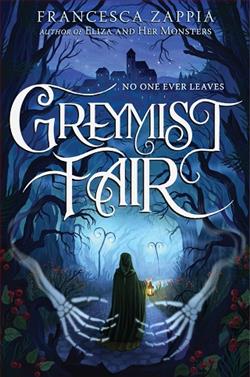
Francesca Zappia's Greymist Fair is a captivating blend of murder mystery and magical realism, set against the eerie backdrop of a village that seems to exist on the cusp of reality and fantasy. The novel, inspired by the lesser-known fairy tales of the Brothers Grimm, offers a fresh take on the genre, weaving together elements of suspense, folklore, and a coming-of-age narrative that resonates with readers who appreciate depth and complexity in storytelling.
The story begins with Heike, a young tailor in the village of Greymist Fair, who stumbles upon a body on the road. This discovery sets off a chain of events that unravel the dark and mysterious happenings in the village. Zappia's decision to tell the story from multiple points of view is a masterstroke, allowing readers to delve into the minds of various characters and understand the multifaceted nature of the village's secrets. Each perspective adds a layer of intrigue and complexity to the narrative, keeping readers engaged and eager to piece together the mystery.
One of the standout aspects of Greymist Fair is its exploration of themes such as childhood fears, the transition to adulthood, and the search for a sense of belonging. The village itself, with its magical yet menacing woods, serves as a metaphor for the unknown challenges and responsibilities that come with growing up. Heike's journey is not just about solving a murder; it is also about confronting her fears and finding her place in a world that is both enchanting and perilous. Zappia skillfully uses the setting to mirror the internal struggles of her characters, creating a rich tapestry of emotions that resonates with readers on a personal level.
The character development in Greymist Fair is both nuanced and compelling. Heike, as the protagonist, is a well-rounded character whose determination and courage drive the narrative forward. Her interactions with other villagers reveal the intricate social dynamics of Greymist Fair, highlighting themes of trust, loyalty, and betrayal. Zappia excels at creating characters who are flawed yet relatable, each with their own motivations and secrets. This complexity adds depth to the story, making it more than just a simple whodunit.
In terms of writing style, Francesca Zappia's prose is both lyrical and evocative, drawing readers into the atmospheric world of Greymist Fair. Her descriptions of the village and its surroundings are vivid and immersive, painting a picture that is both beautiful and haunting. The use of fairy tale elements is subtle yet effective, adding a layer of mystique to the narrative without overshadowing the central mystery. Zappia's ability to balance these elements is reminiscent of authors like Neil Gaiman and Erin Morgenstern, who are known for their skillful blending of fantasy and reality.
The emotional impact of Greymist Fair is profound, as Zappia explores the universal themes of fear, loss, and the search for identity. The novel's conclusion is both satisfying and thought-provoking, leaving readers with a sense of closure while also encouraging them to reflect on the deeper meanings behind the story. The combination of a well-crafted plot, richly developed characters, and a hauntingly beautiful setting makes Greymist Fair a standout in the genre of magical realism and murder mystery.
Overall, Francesca Zappia's Greymist Fair is a remarkable achievement that will appeal to fans of both mystery and fantasy. Its intricate plot, compelling characters, and atmospheric setting make it a must-read for anyone who enjoys a story that challenges the boundaries of reality and imagination. By drawing on the lesser-known tales of the Brothers Grimm, Zappia has crafted a novel that feels both timeless and original, offering a fresh perspective on the themes of fear, growth, and belonging. For readers seeking a book that is as thought-provoking as it is entertaining, Greymist Fair is an enchanting journey into the heart of darkness and light.



